Terra Nova: The Earth Record
Liam Man
In an era of accelerating environmental change, Terranova serves as both a visual testimony to the beauty of the planet and a record of their shifting state. Illuminated with aerial lighting rigs, each landscape is resculpted with light and shadow, carefully positioned to enhance the unique features of each location.
By presenting familiar environments in an unfamiliar light, the project challenges perceptions and confronts the gap between our knowledge of the natural world and our lived connection to it. We understand more about the Earth than at any point in history, yet our relationship with it grows increasingly abstract and detached.
Terranova invites us to close this distance, to look again with fresh eyes, and to reignite the adventurous curiosity that first connected us to the natural world.
Petrification
Rock formations carry a beauty that lies not only in their scale and form but in the history they embody. Every cliff, mountain, and rocky outcrop is the product of immense forces and endless time. Their surfaces hold the marks of wind, water, ice, and even mankind’s influence, inscribing a record of change that is both violent and delicate. Seen together, these formations are monuments of endurance. They are reminders of the planet’s capacity to shape itself, and evidence of the fragile balance between permanence and transformation.
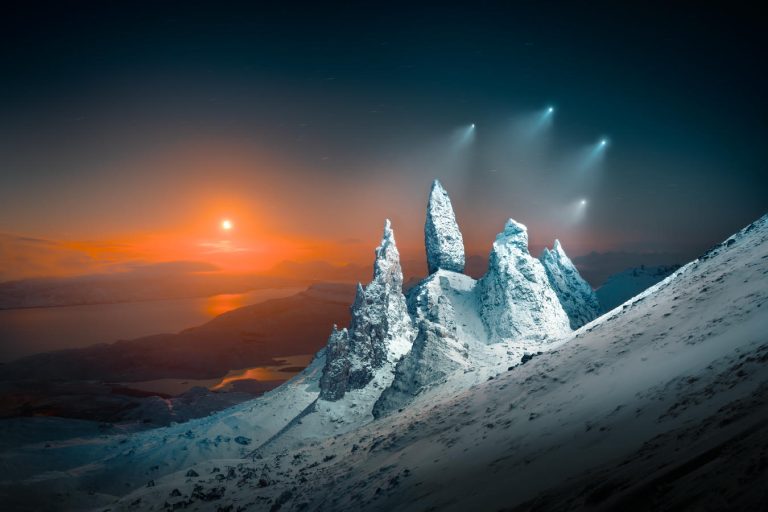 Moonrise Sprites Over Storr
POS LM 717 01
$12,500
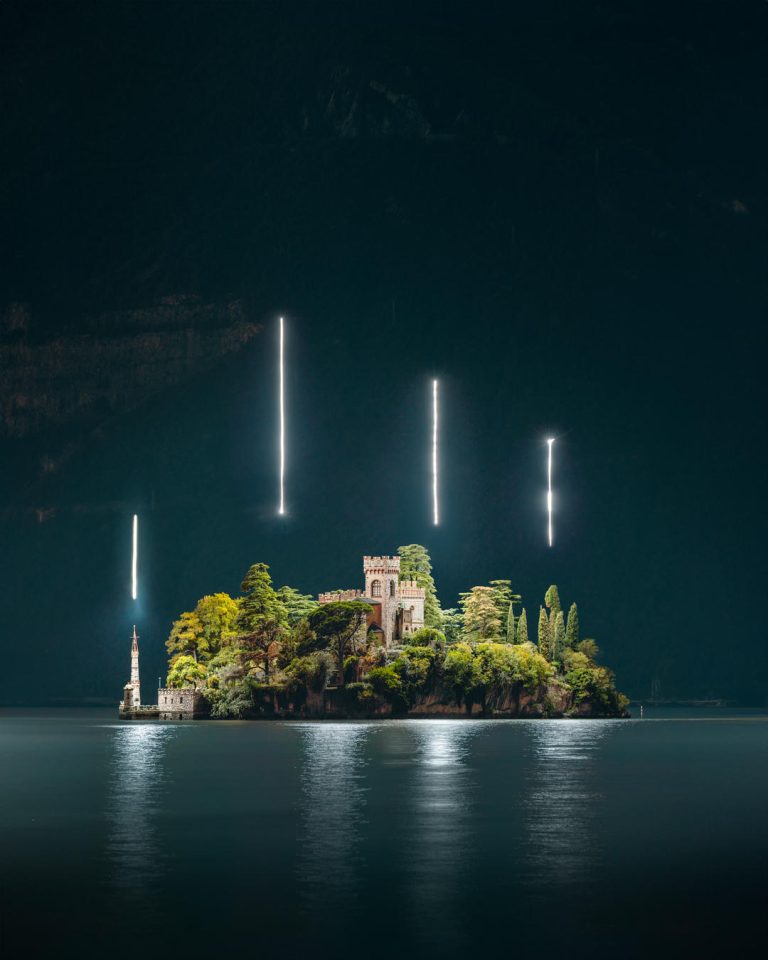 Fortress of Solitude
POS LM 717 02
$3,600
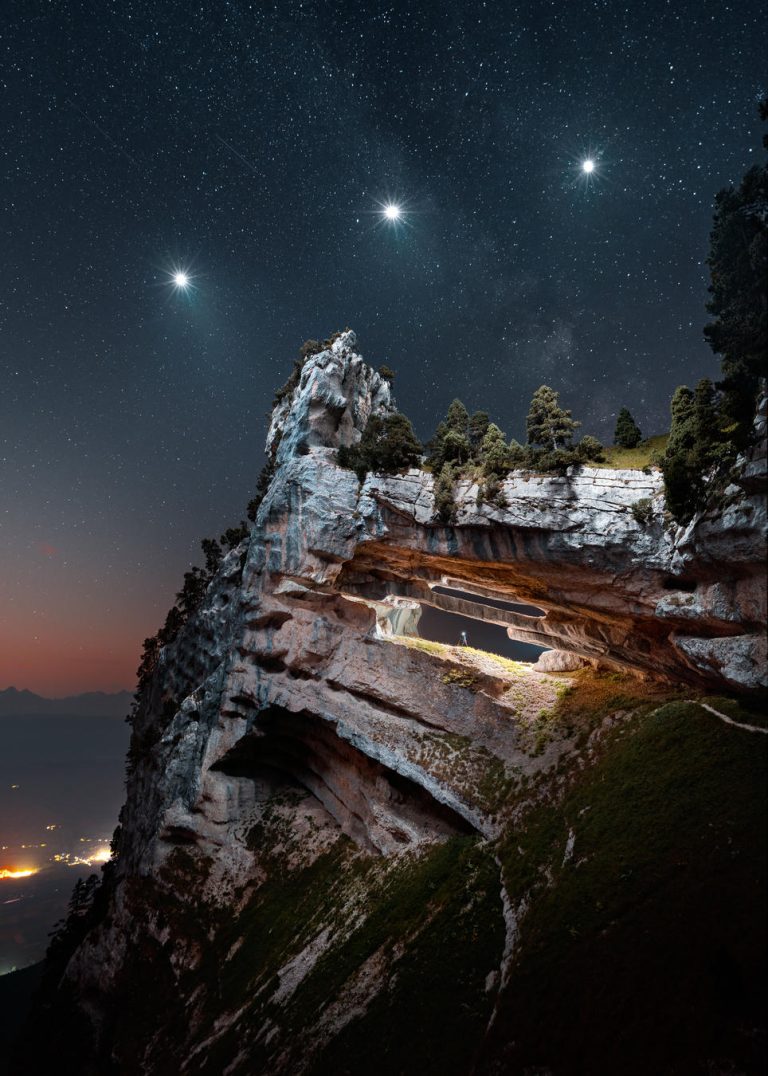 Bones of the Earth
POS LM 717 03
$5,300
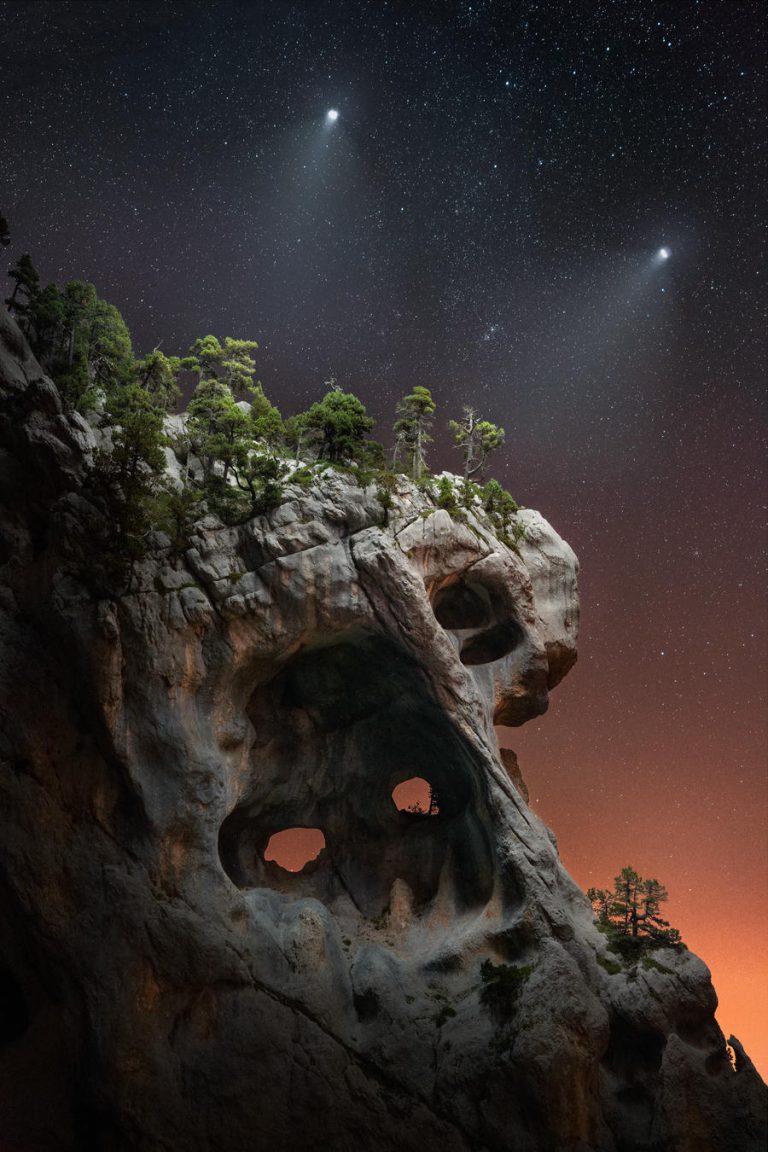 Eternal Gaze
POS LM 717 04
$5,300
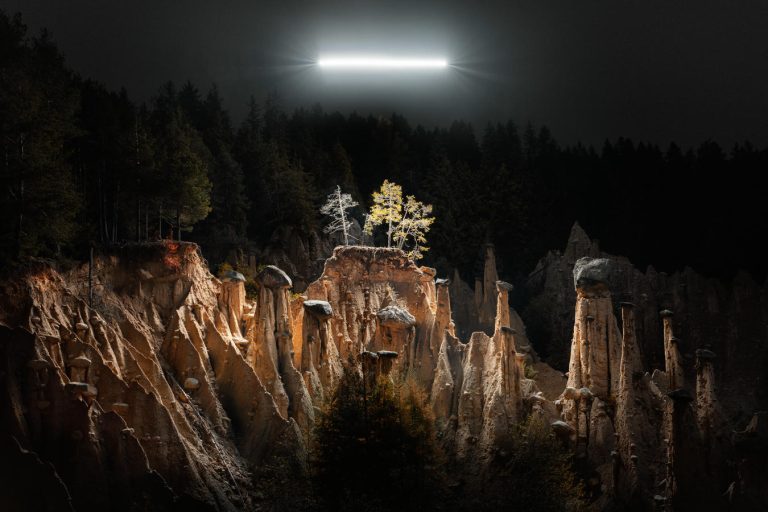 The Last Stand
POS LM 717 05
$3,600
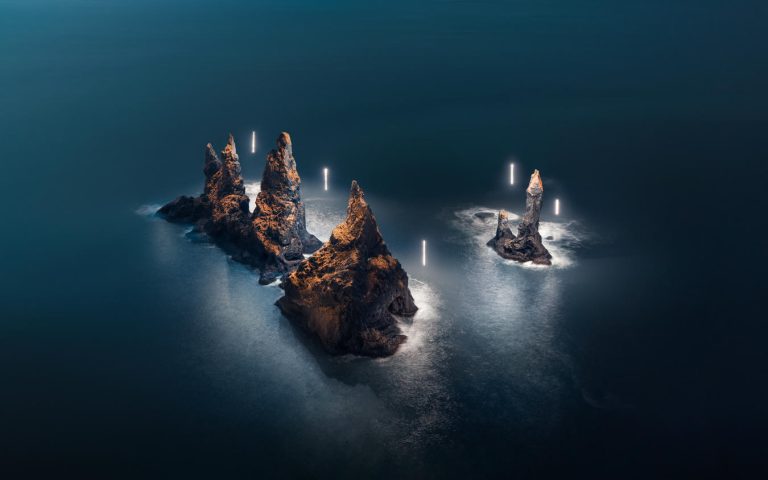 Shore Bound
POS LM 717 06
$5,300
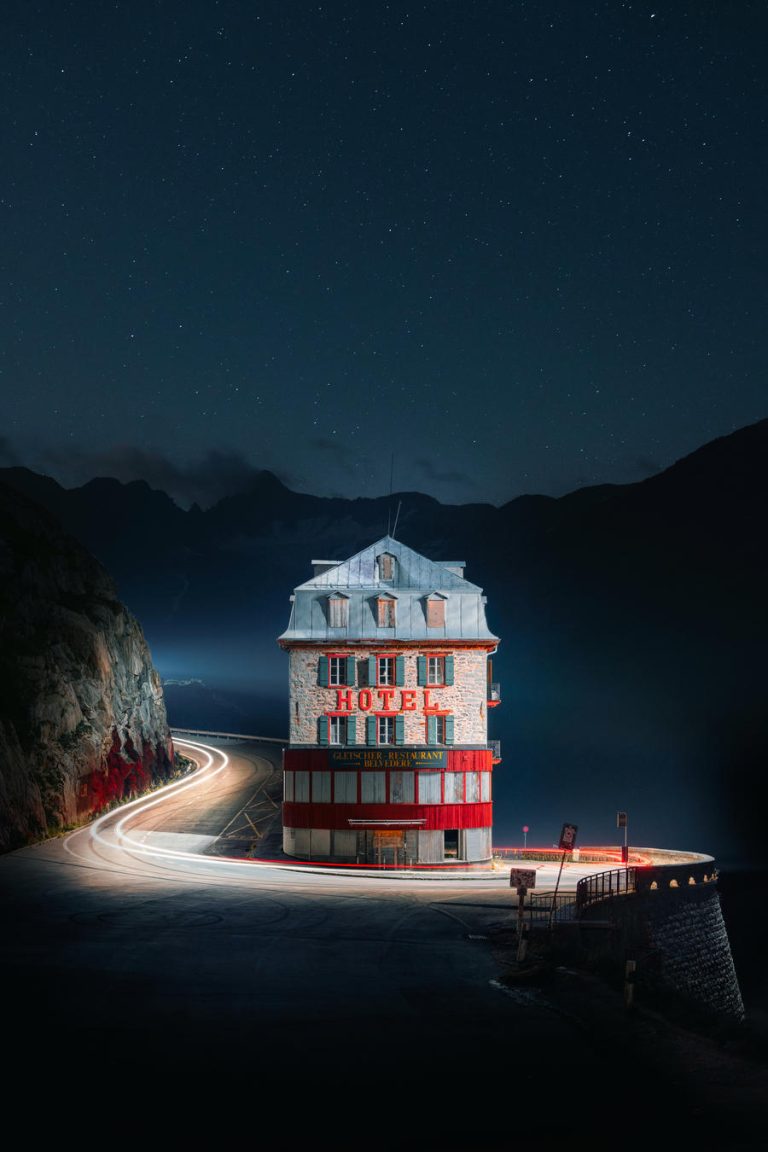 Once Upon a Pass
POS LM 717 07
$5,300
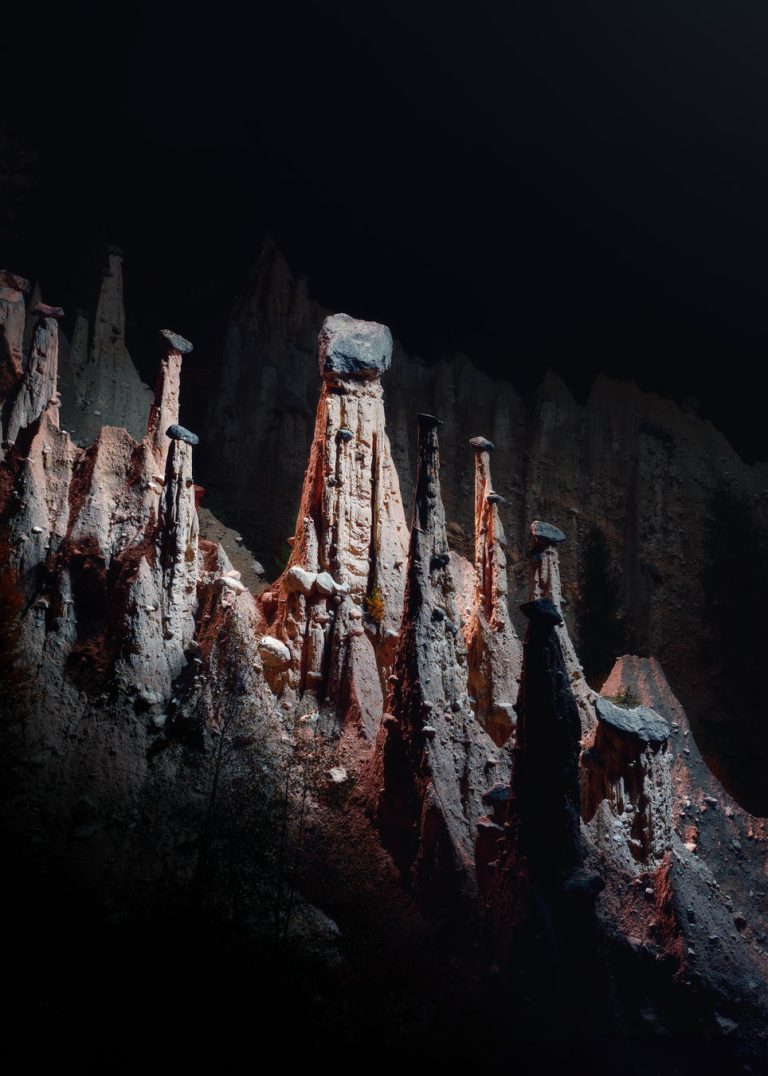 Pillars of Rock
POS LM 717 08
$3,600
Carcass of the Ice Beast
In 2009, thermally reflective blankets were used to cover a large portion of the once-mighty Rhone Glacier, home to Europe's largest man-made ice cave. Intended to slow the glacier's retreat, 15 years later and the battle is lost. The coverings have deteriorated, hanging in tattered shreds over the last blocks of ice, like the torn skin of a colossal, dying beast.
This series is both a testament to admirable yet ultimately futile local efforts, but also a reminder that climate change cannot be overcome on a local level and requires global unified coordination.
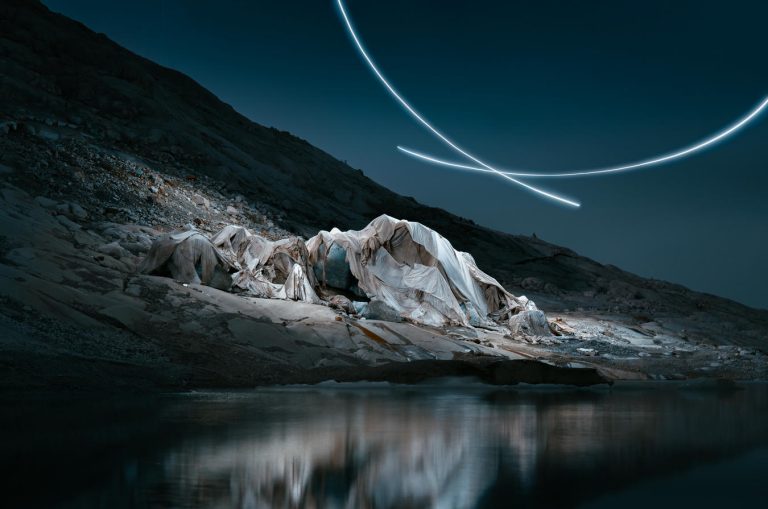 All that Remains
POS LM 717 09
$5,300
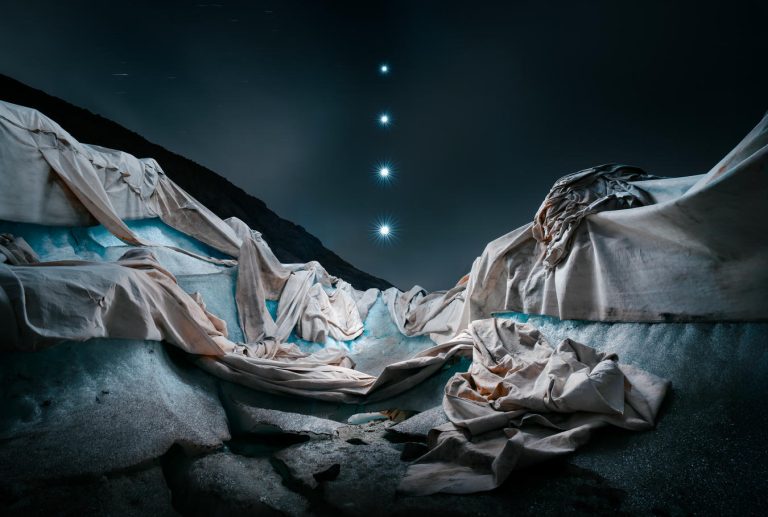 Skin and Bones
POS LM 717 10
$5,300
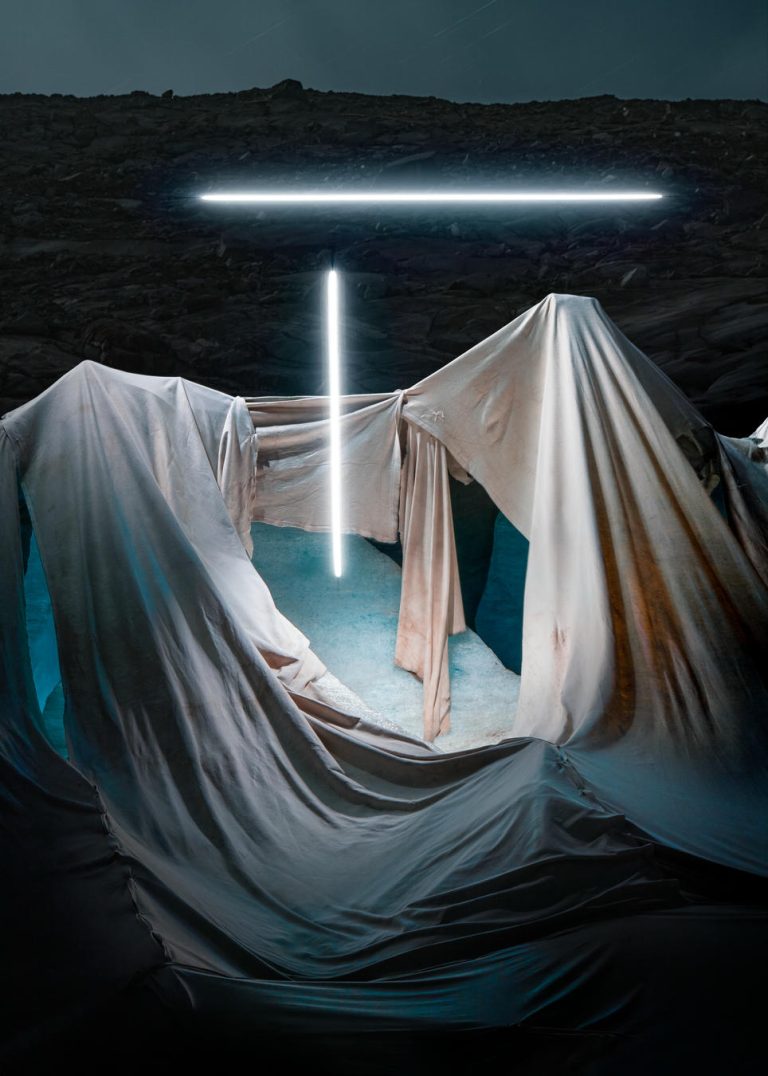 Curtains Close
POS LM 717 11
$3,600
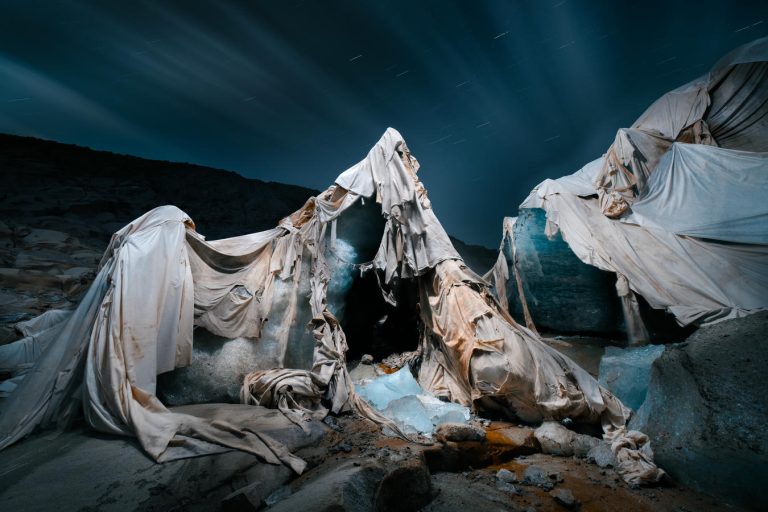 Shreds of Hope
POS LM 717 12
$3,600
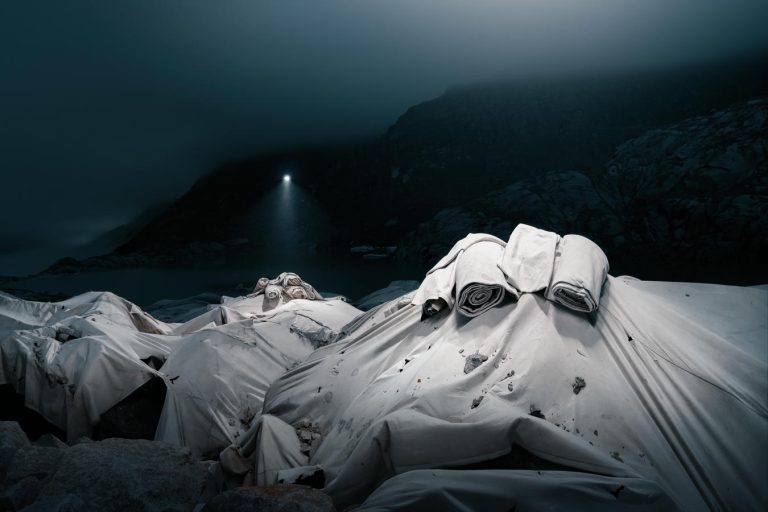 Wrapped to Go
POS LM 717 13
$3,600
Last Light
In October 2024, an expedition was conducted to photograph a solar eclipse from the surface of a glacier. This ambitious project took Liam and his team to the Glacier Leones, a giant river of ice bordering the Northern Patagonian Ice Field. Here, they would not only witness one of nature’s most spectacular astronomical events, but also evidence of the glacier’s recent struggles. One of the fastest retreating glaciers in the world, the Glacier Leones is a dying landscape. By the time an eclipse passes this exact location, there may not be any ice left.
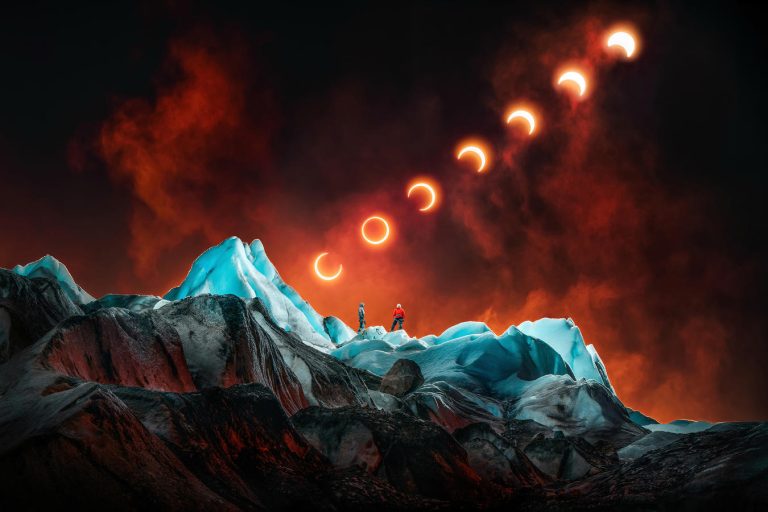 Ring of Fire and Ice
POS LM 717 14
$12,500
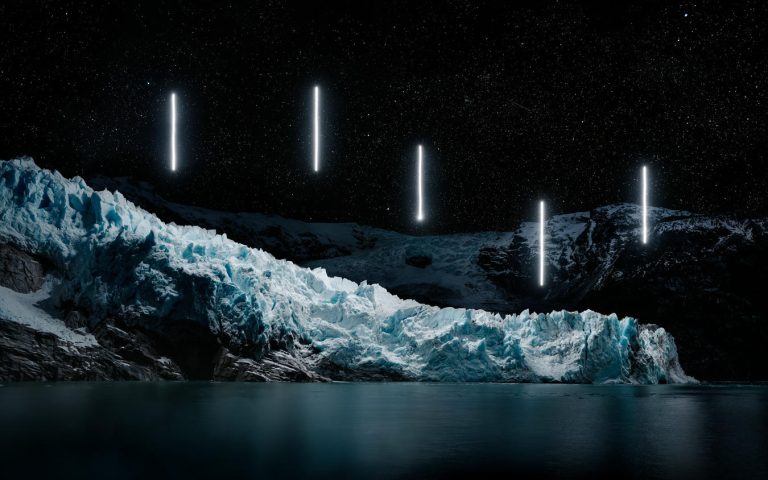 Where Ice Sleeps
POS LM 717 15
$10,300
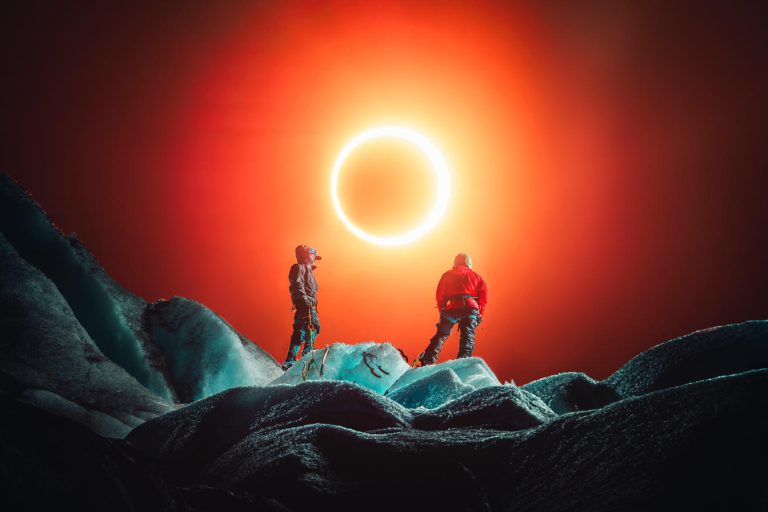 Kindred Spirits
POS LM 717 16
$5,300
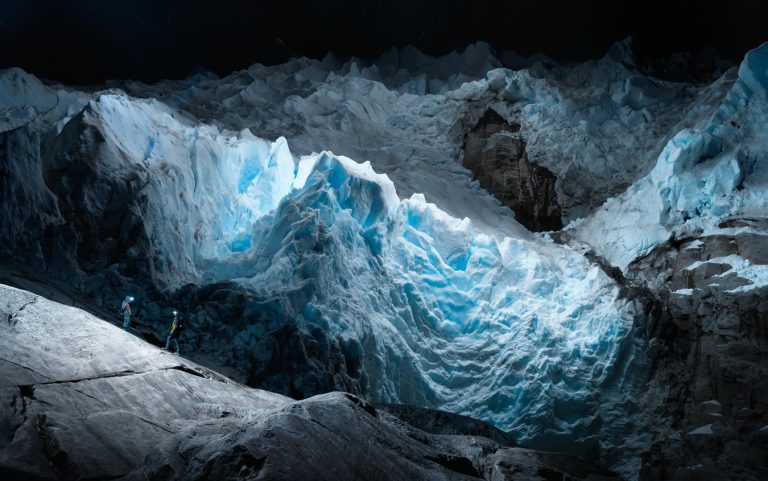 The Wall
POS LM 717 17
$3,600
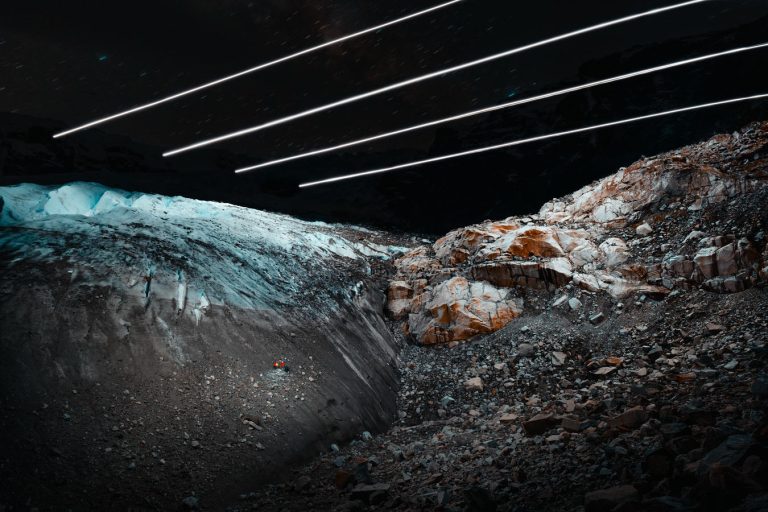 4 Years 40 Metres
POS LM 717 18
$3,600
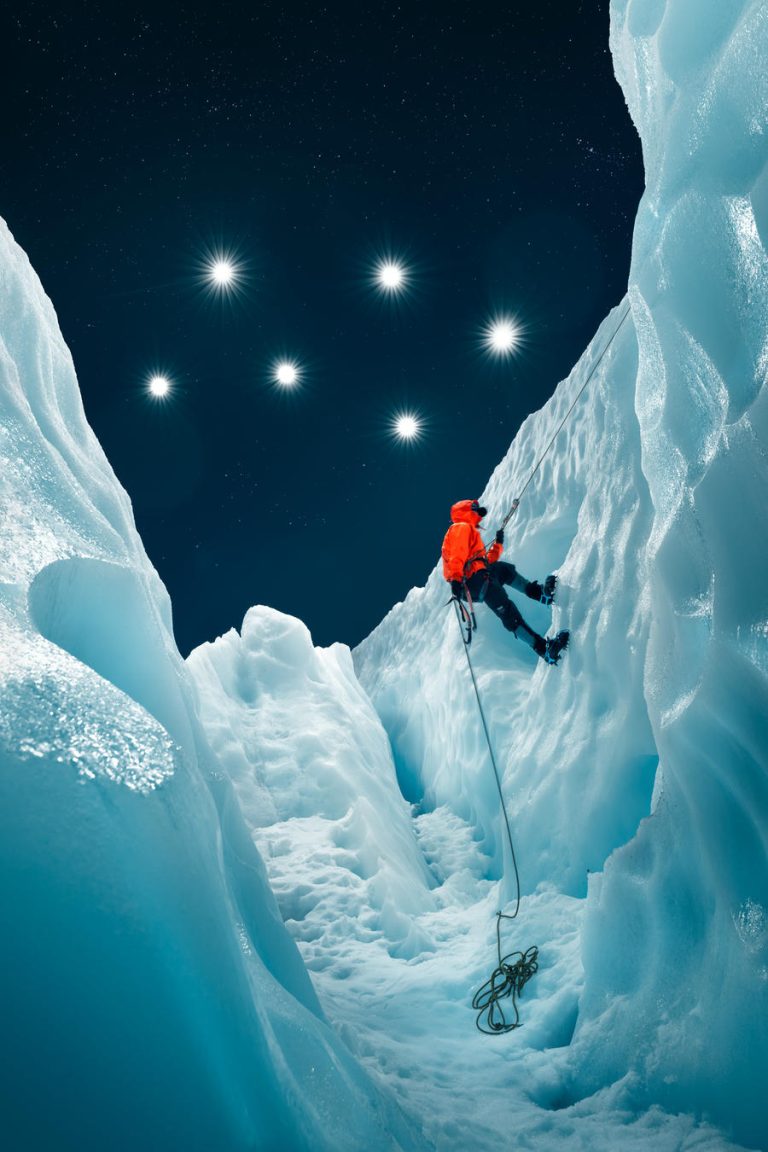 Into the Crevasse
POS LM 717 19
$3,600
Entombed in Ice
As glaciers reach their terminus in Iceland’s frozen landscape, they calve icebergs into glacial lagoons. These lagoons form where meltwater collects in valley floors, freezing solid under extreme winter temperatures and locking the icebergs in place. After a sudden downpour, the frozen surface was briefly flooded with rainwater, transforming the ice into a vast mirror that reflected the surrounding landscape. The scene was surreal, as if the lagoon itself had become a window into another world.
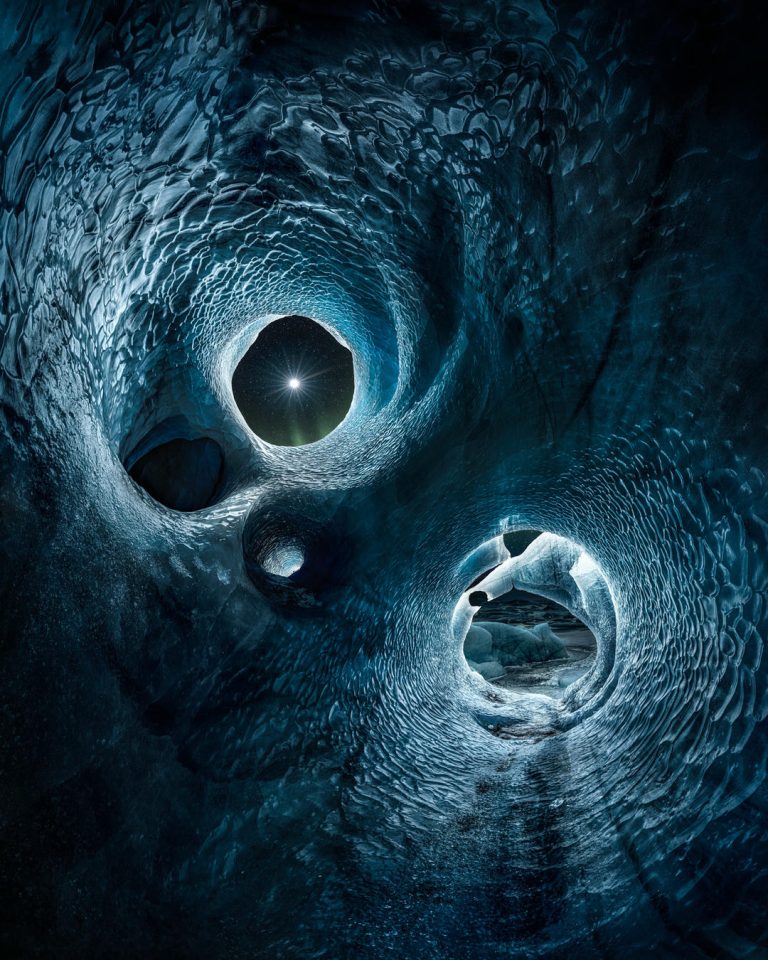 Heart of the Glacier
POS LM 717 20
$10,300
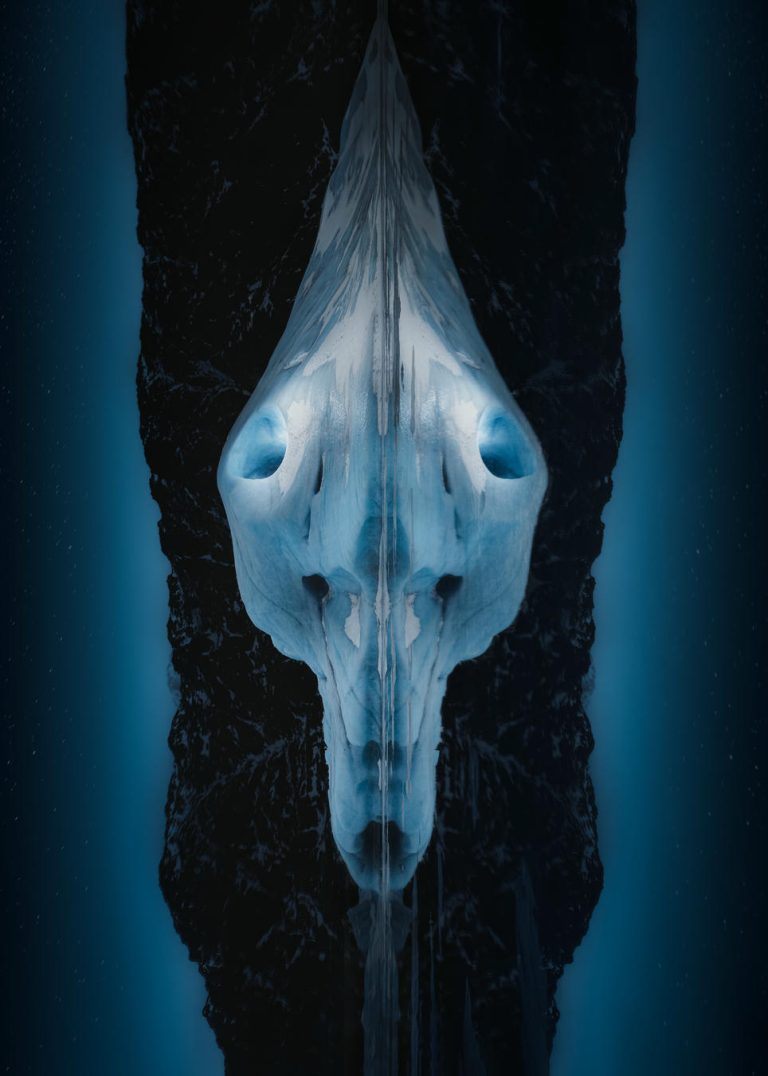 The Bear
POS LM 717 21
$5,300
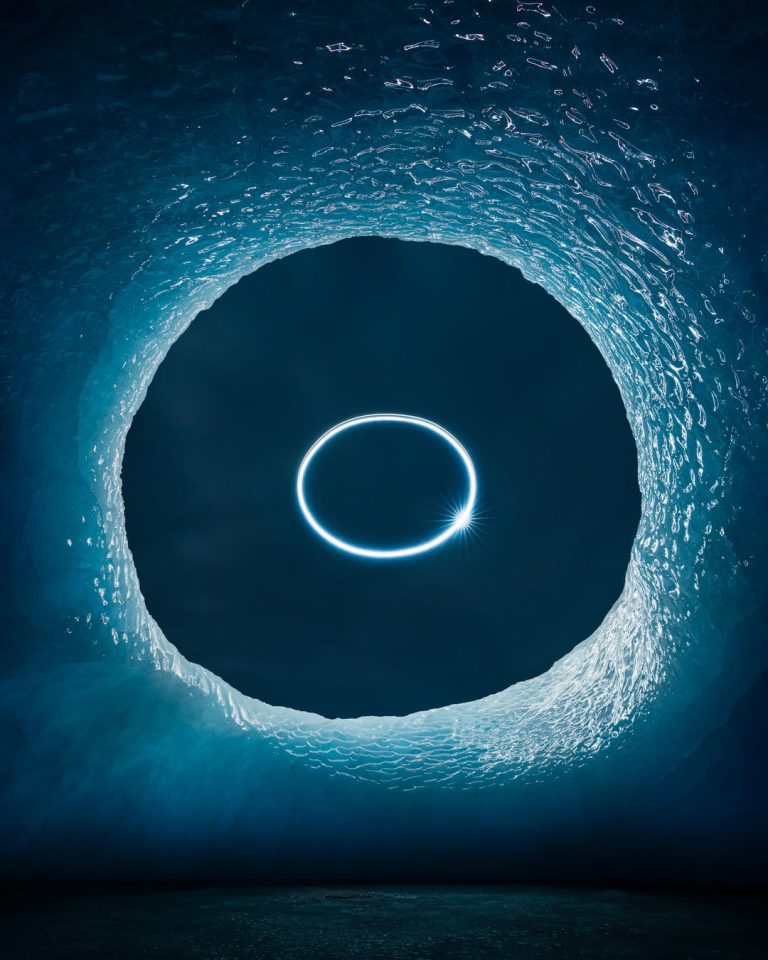 0 Degrees
POS LM 717 22
$3,600
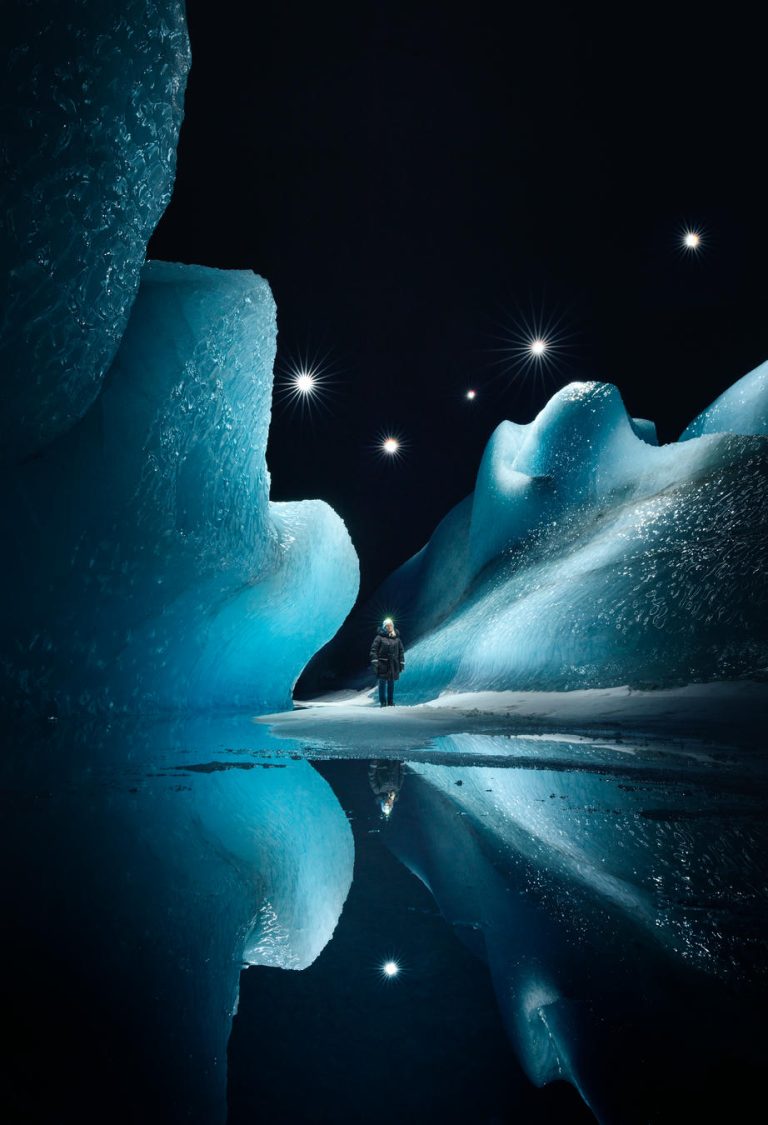 Frozen Home
POS LM 717 23
$3,600
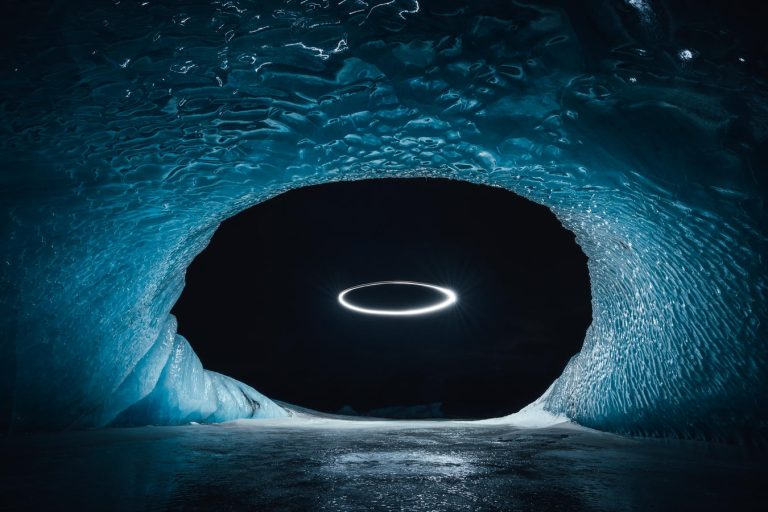 Into the Abyss
POS LM 717 24
$3,600
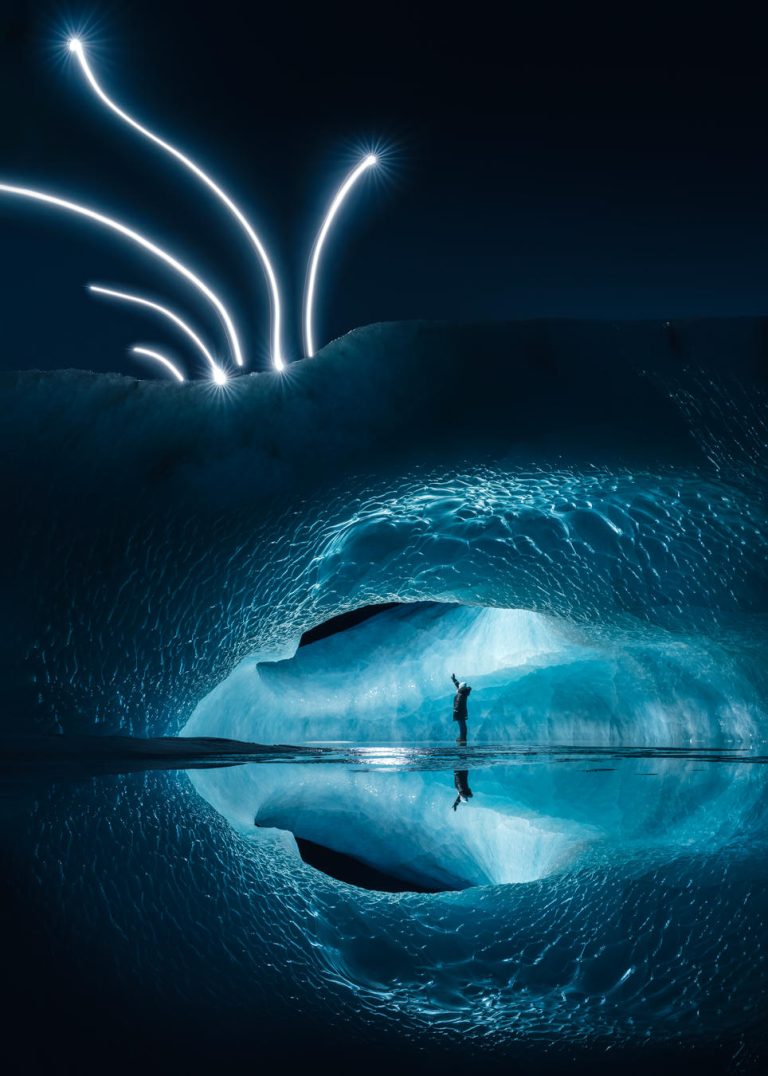 Spirit of Ice
POS LM 717 25
$5,300