Little Homelands of Diversity
Maro Kouri
Athens has become one of Europe’s main entry points for migrants, transforming neighbourhoods and reshaping the city’s social fabric. In Little Homelands of Diversity and Places of Prayers, Maro Kouri documents the daily lives of migrant communities since the early 2000s, exploring their struggles and the ways they maintain ties to their countries of origin. Her photographs focus on downtown districts where foreign-born residents make up more than half the population, revealing an urban environment where multiple cultures coexist.
Kouri captures moments inside places of worship, family gatherings, and community celebrations, portraying Athens as a city where diverse identities meet, overlap, and adapt to one another.
“Where our parents, in the 1970s and ’80s, once closed their shops and took us out at night for dinner with guitars and bouzouki, today the old shops, taverns, industrial spaces, and warehouses pulse with life as places of prayer, and the streets overflow with gospel bands, Ethiopian choirs, Muslim prayers, and Hindu hymns — the faithful gathering in spontaneous, sacred moments,” Kouri says.
Where apartment blocks once housed migrants from rural Greece, today families from Africa, Asia, and the former Eastern Bloc have made these buildings their homes. The Greek author Antonis Samarakis, who once wrote “rooftops were never so close and hearts never so far apart,” might smile today seeing African families celebrating together, for example, a baby’s first bath.
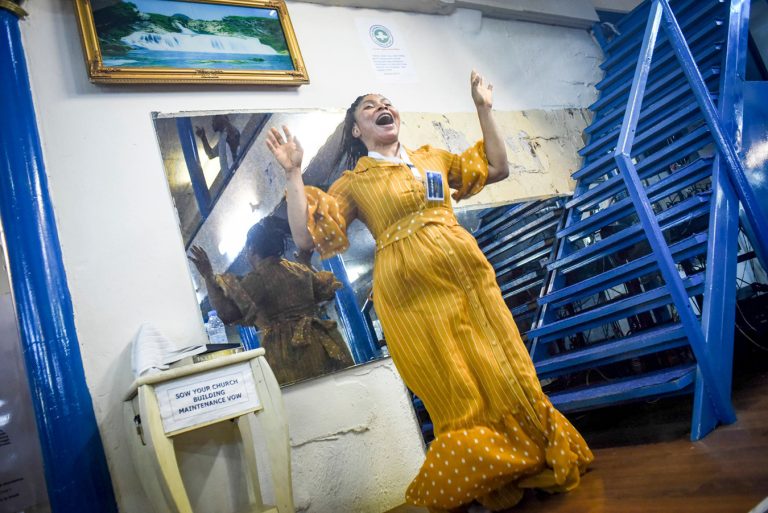 Joy from withinPOS MK 728 1$1,800
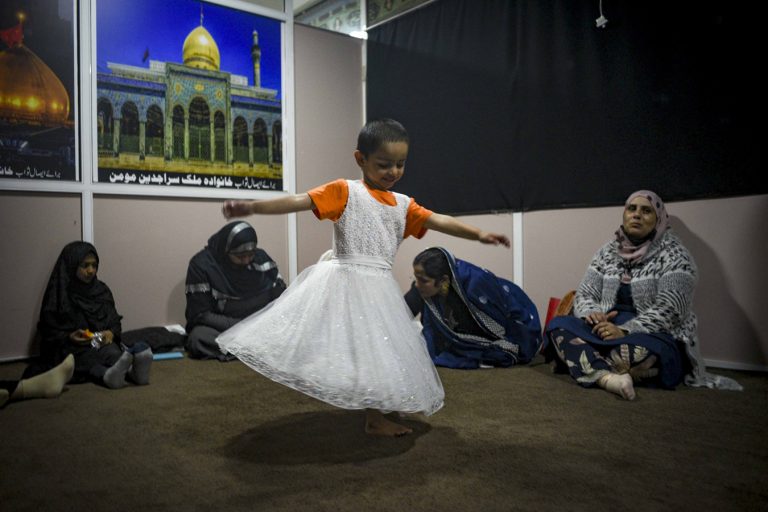 Sacred InnocencePOS MK 728 2$1,000
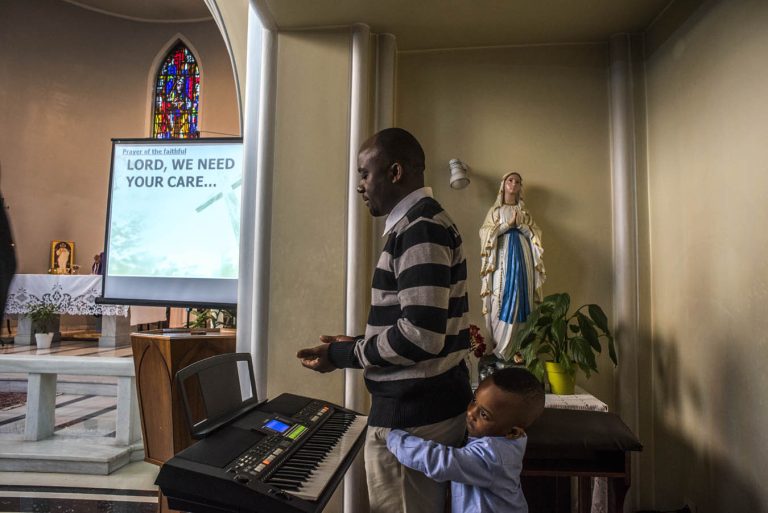 A Father’s Music, a Son’s EmbracePOS MK 728 3$1,000
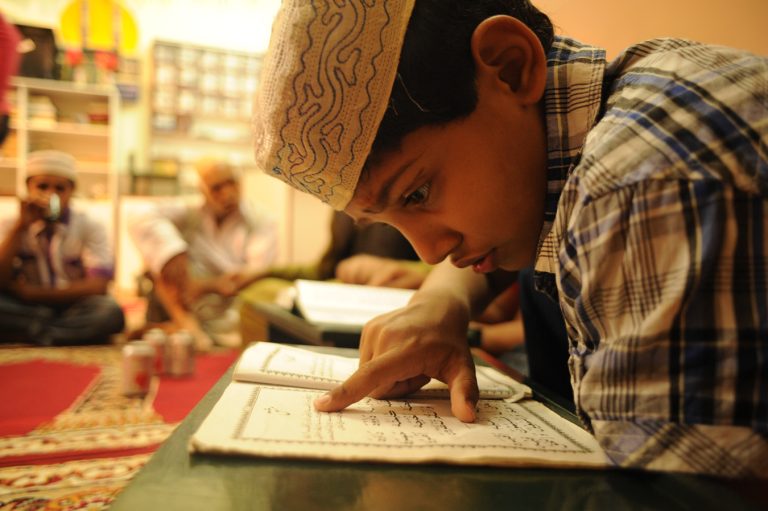 Qur'an Lessons UndergroundPOS MK 728 4$1,800
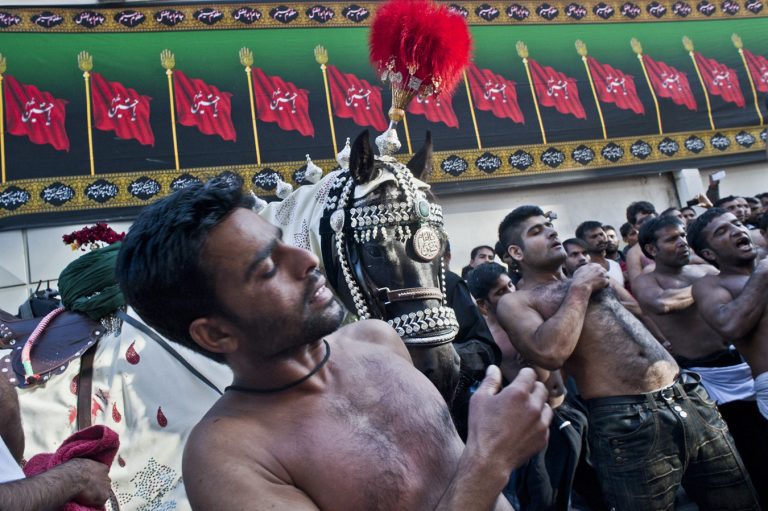 Ashura in PiraeusPOS MK 728 5$1,000
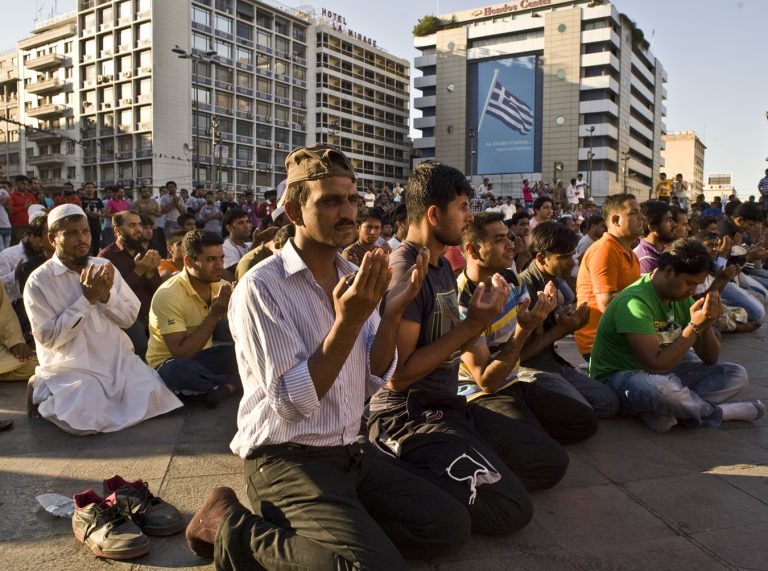 Public Prayers in ProtestPOS MK 728 6$1,000
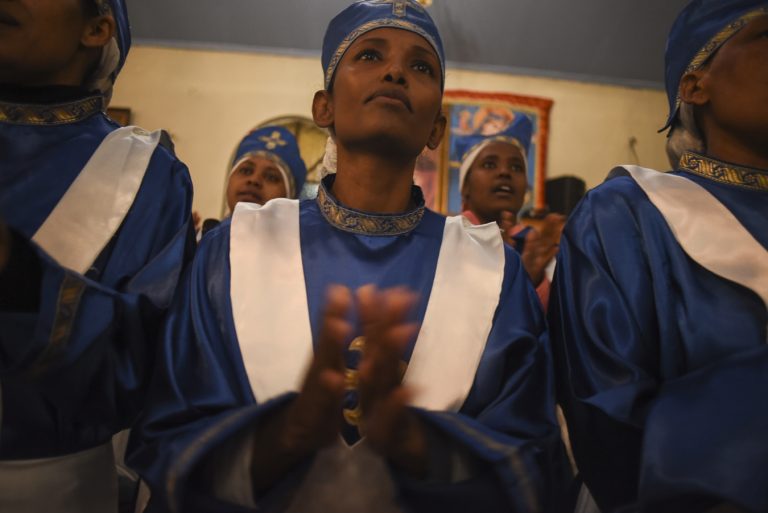 A Dreamer POS MK 728 7$1,000
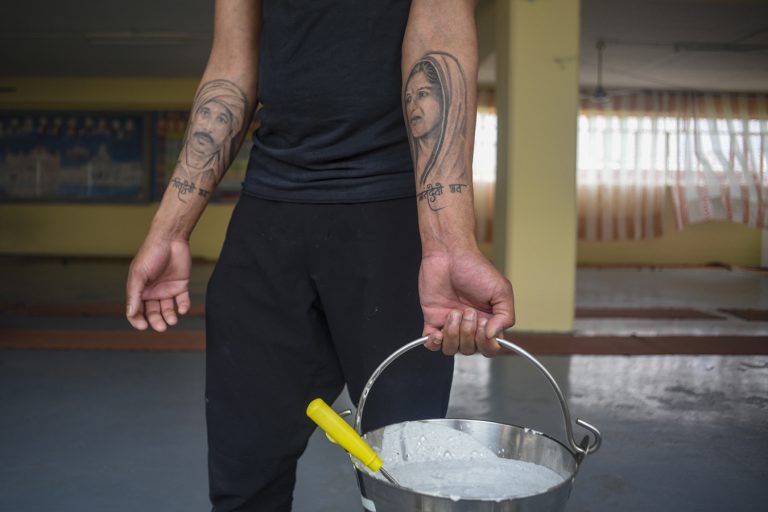 Mother & Father Tattoos: A Taste of HomePOS MK 728 8$1,000
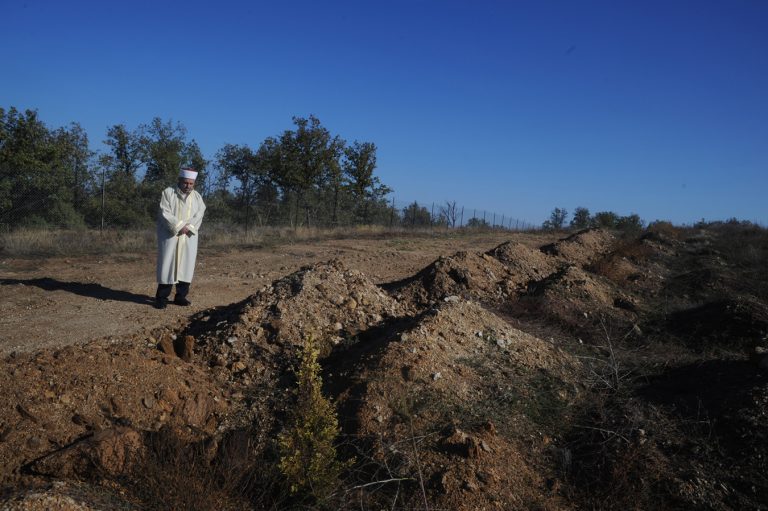 Evros Greek-Turkish Borders: The Mourning MuftiPOS MK 728 9$1,000
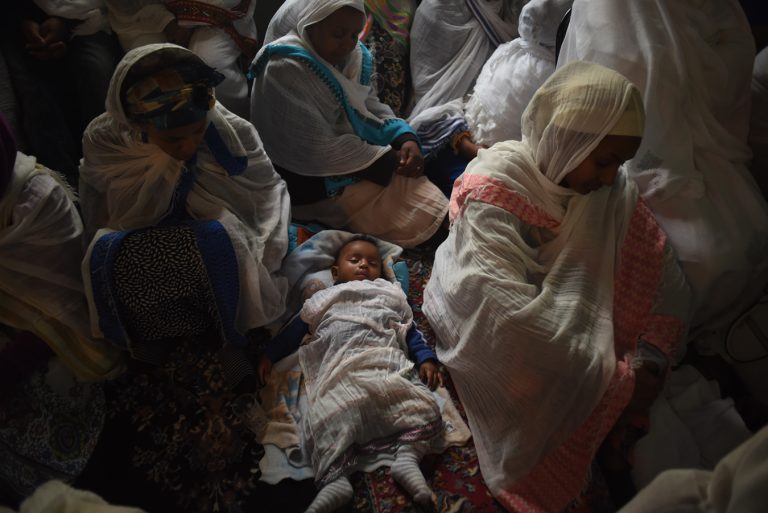 AwePOS MK 728 10$1,000
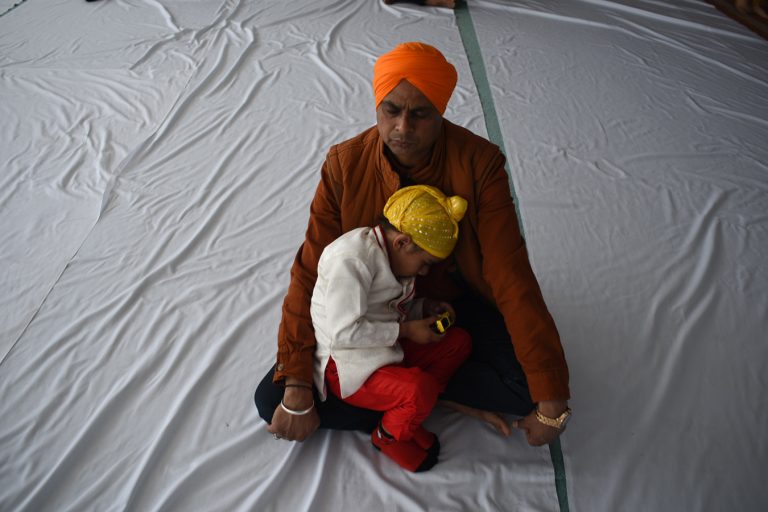 FatherhoodPOS MK 728 11$1,000
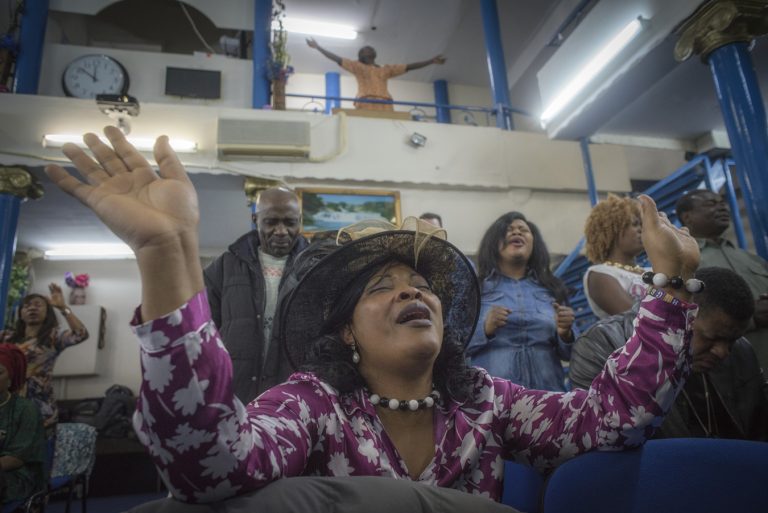 Deep Gospel, Deeper ForgivenessPOS MK 728 12$1,000
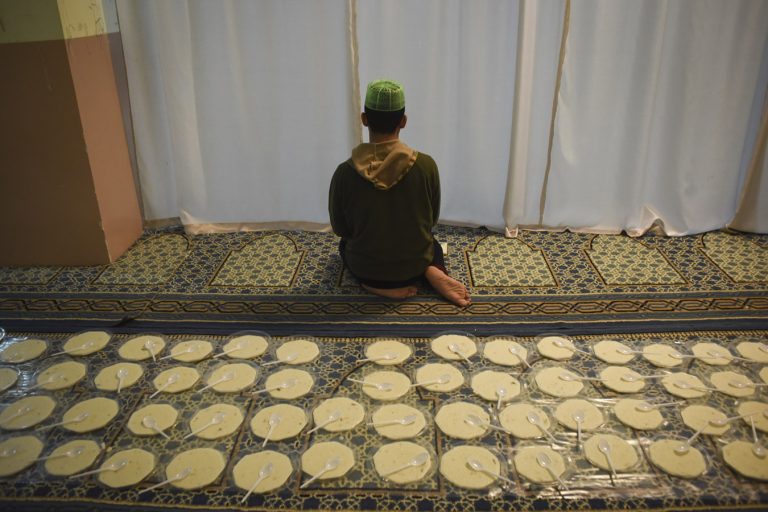 Raise yourself so high that even God asks your wish — Muhammad IqbalPOS MK 728 13$1,000
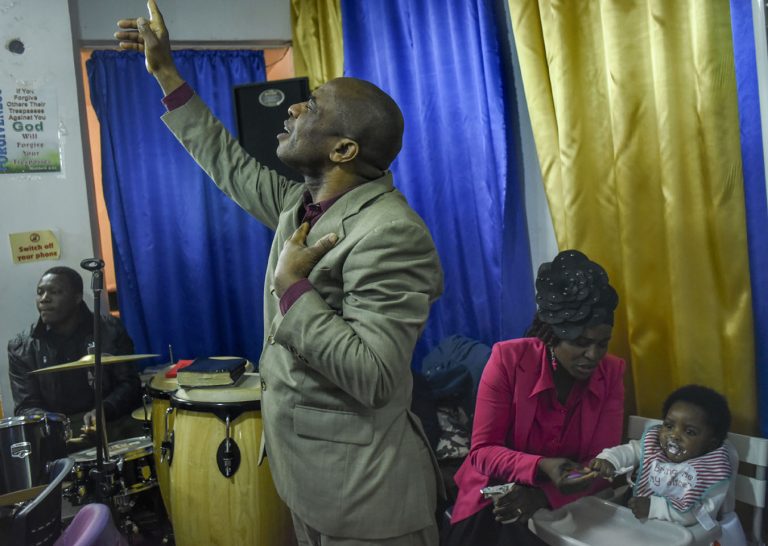 An Athens of Many VoicesPOS MK 728 14$1,000
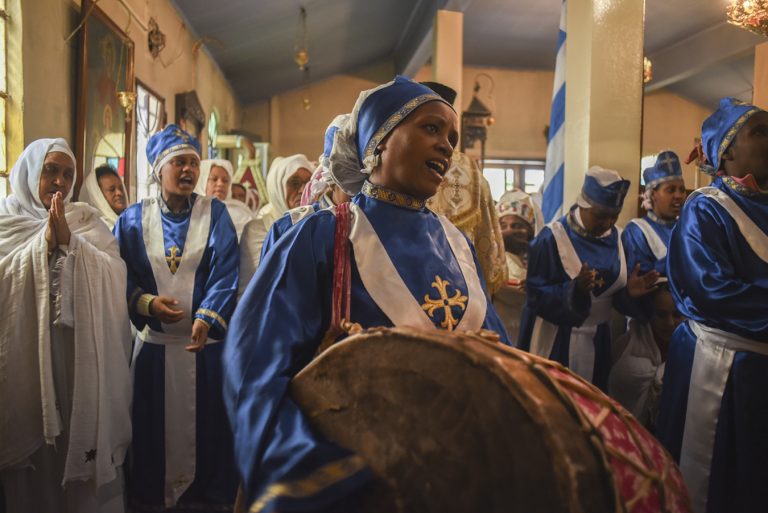 Ethiopian chants lift the soulPOS MK 728 15$1,800
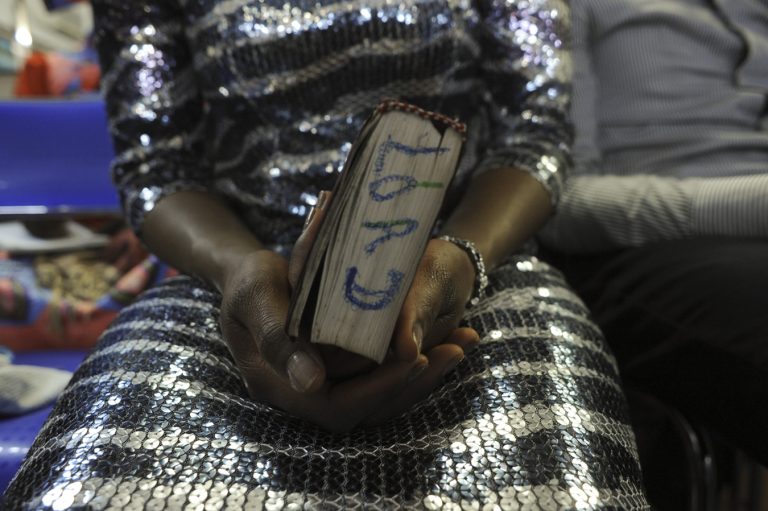 How can you give love if you’ve never received it? POS MK 728 16$1,000
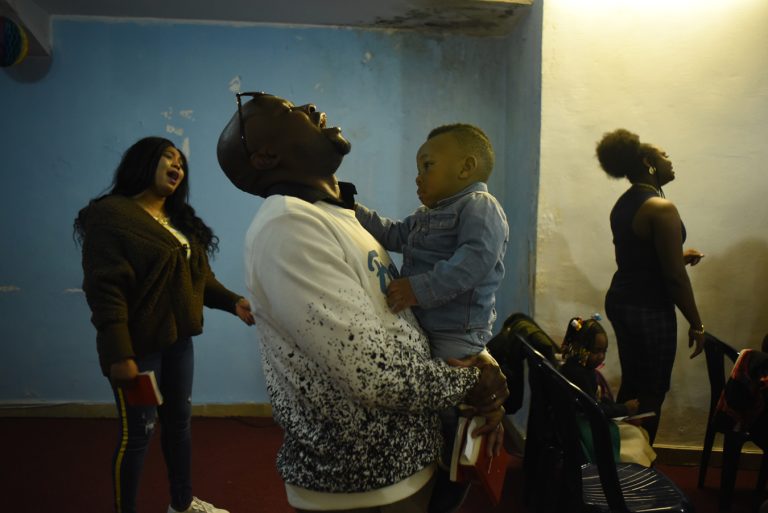 In a father’s arms, the world feels safePOS MK 728 17$1,000
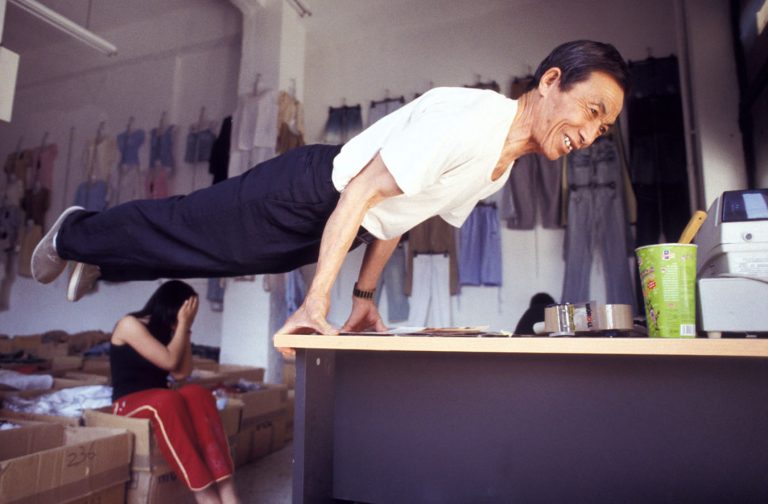 Morning Rituals in Athens’ ChinatownPOS MK 728 18$1,000
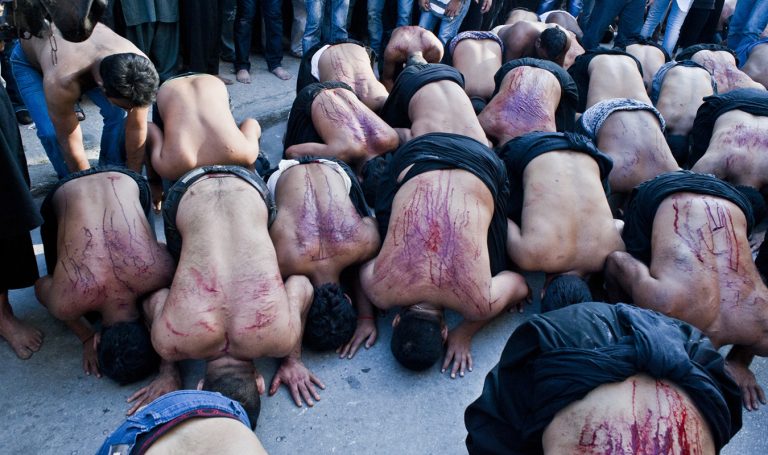 Prayer Beyond PainPOS MK 728 19$1,000
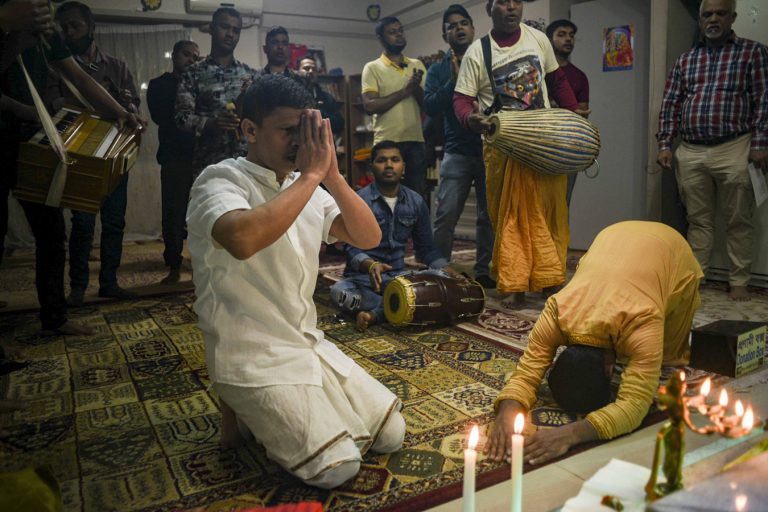 Waiting for the Sunday Liturgy to pray, sing, dance, and celebratePOS MK 728 20$1,000
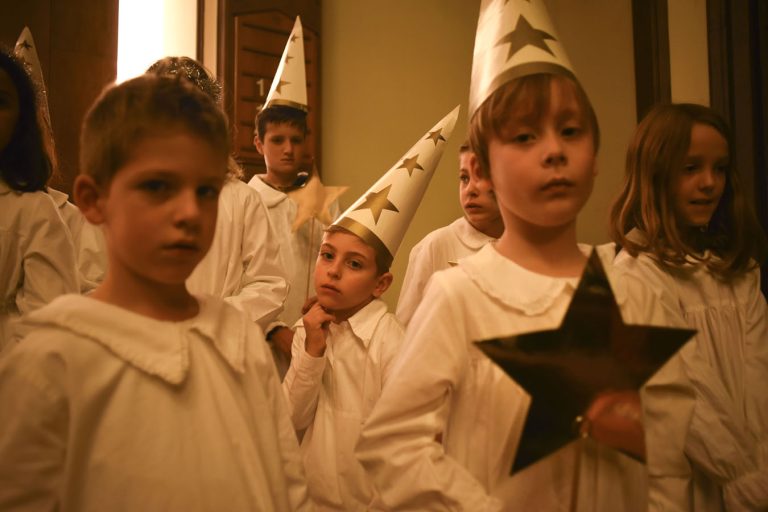
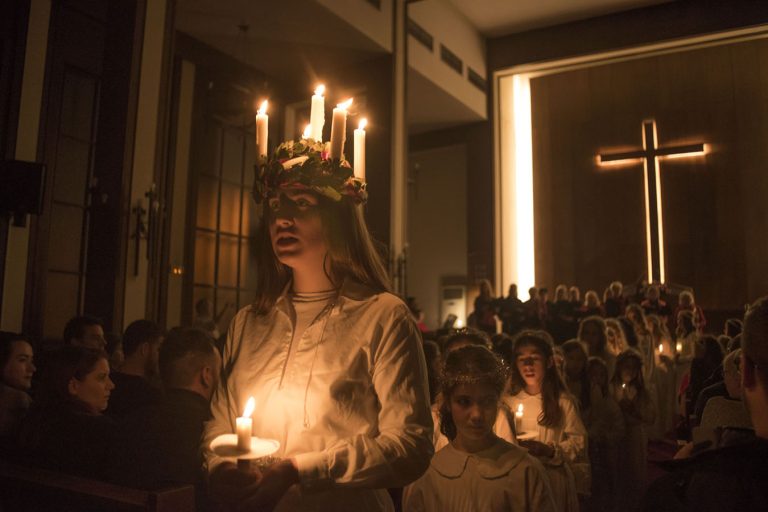 Swedish Traditions in the Heart of AthensPOS MK 728 21$1,000
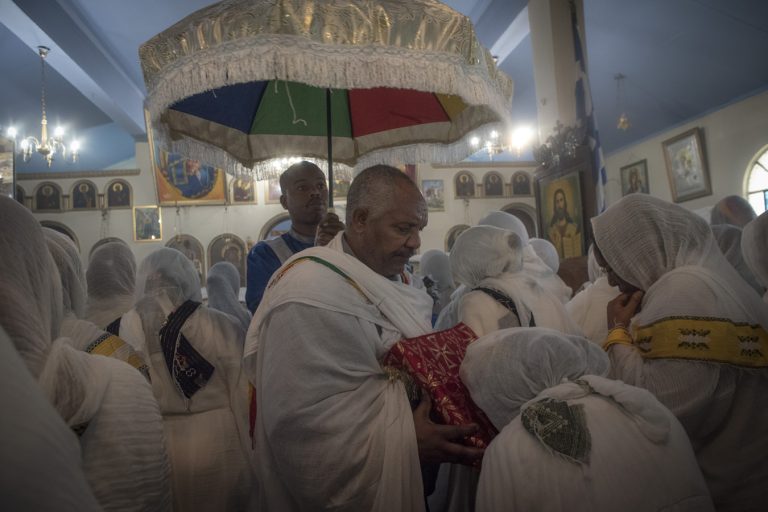 The Ethiopian Community: Athens’ Oldest and StrongestPOS MK 728 22$1,000
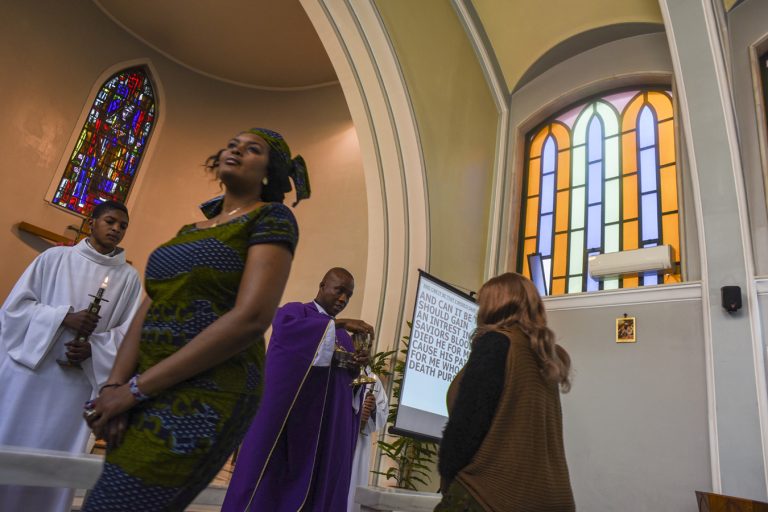 Trust Across BordersPOS MK 728 23$1,000
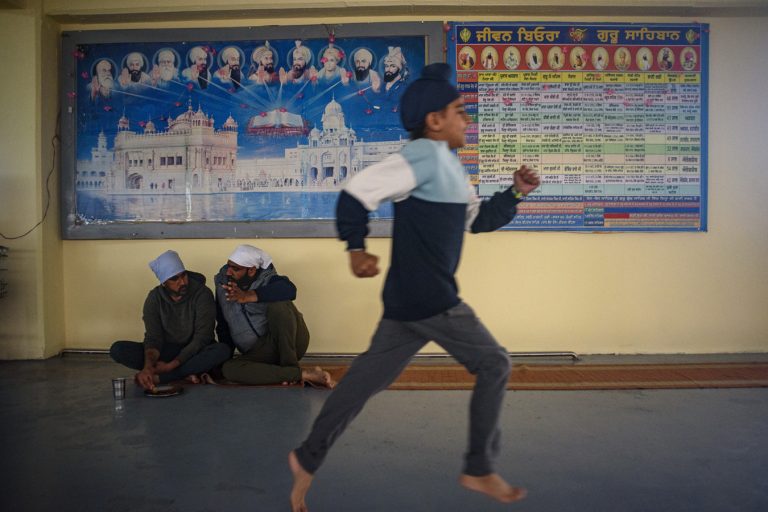 TogethernessPOS MK 728 24$1,000
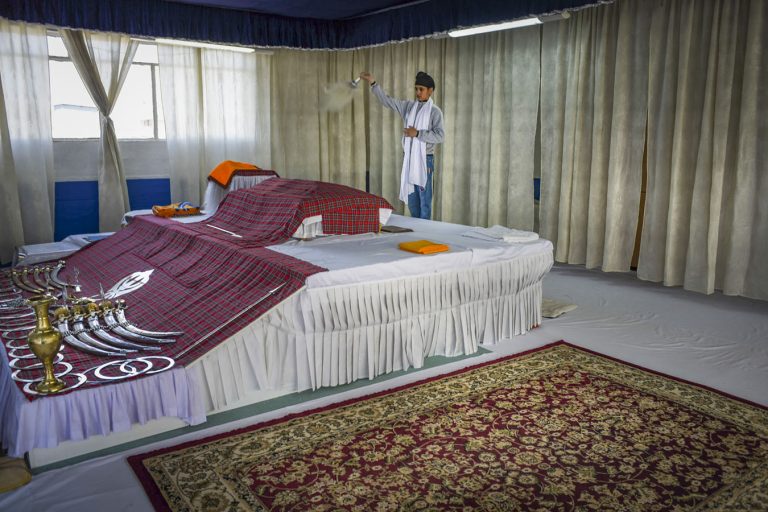 BlessingPOS MK 728 25$1,000
 Watch Over the Child: Defend Them. If the Child Survives, there is HopePOS MK 728 26$1,000