Sugar Town
Tomasz Tomaszewski
Sugar Town
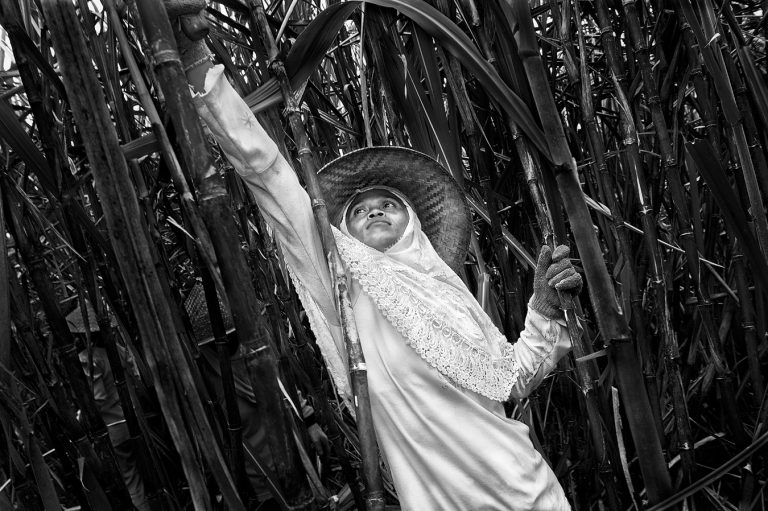
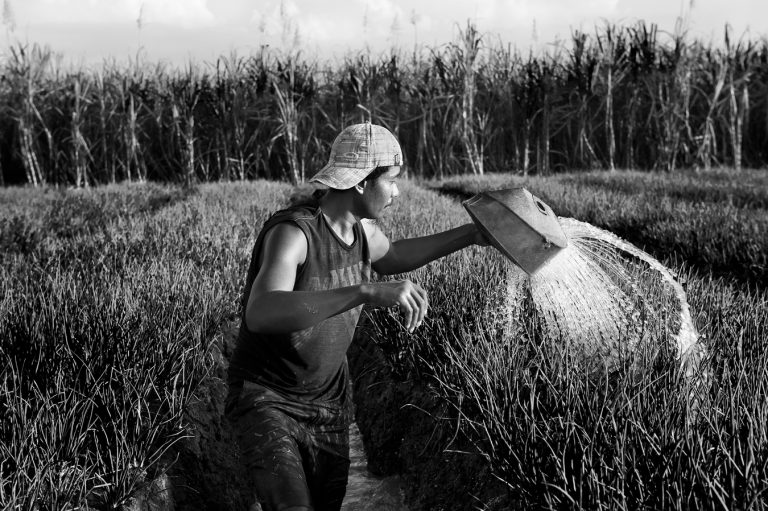
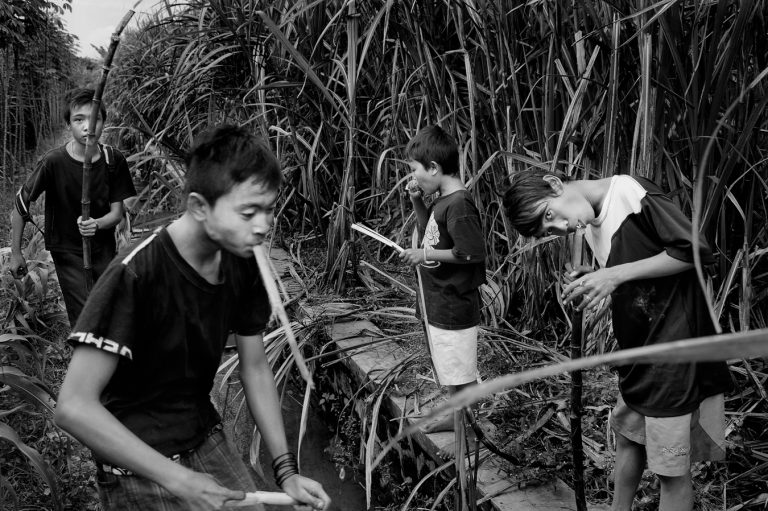
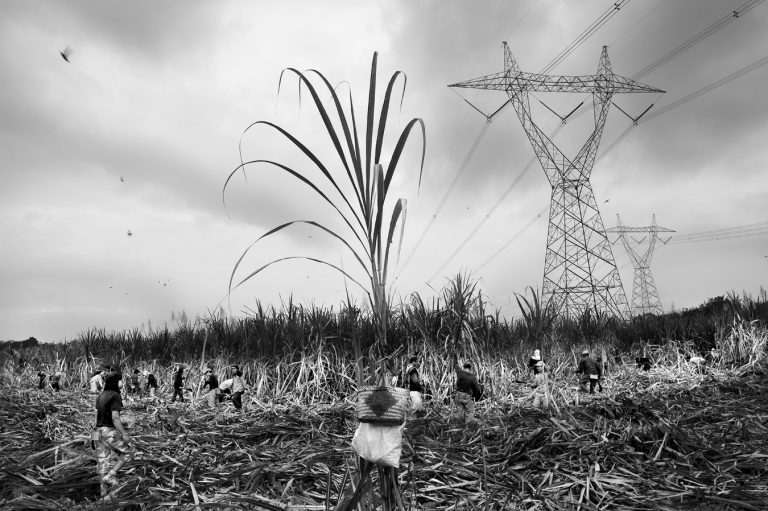
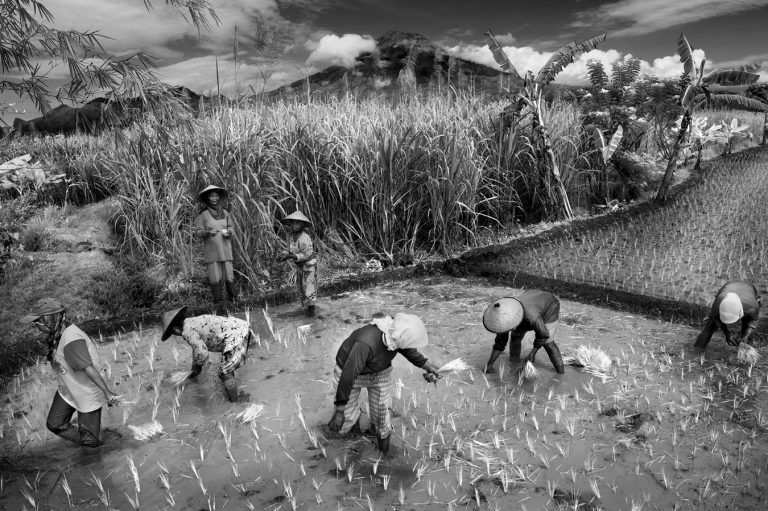
In 1933, Java was one of the largest producers of sugar in the world. It was the Dutch who introduced sugar plantations and factories to the island 300 years earlier. After Indonesia gained independence in 1945, the industry was nationalised.
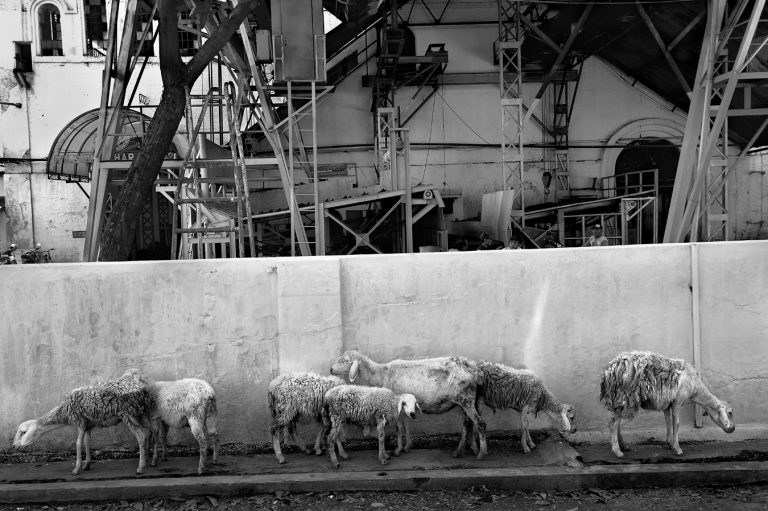
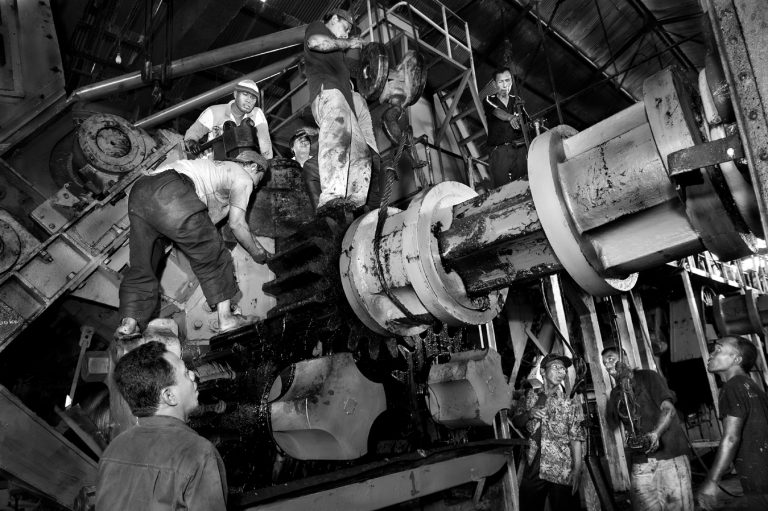
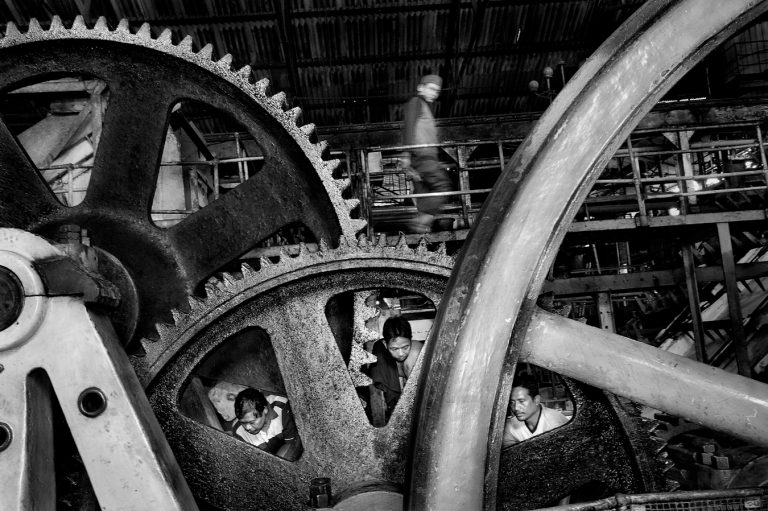
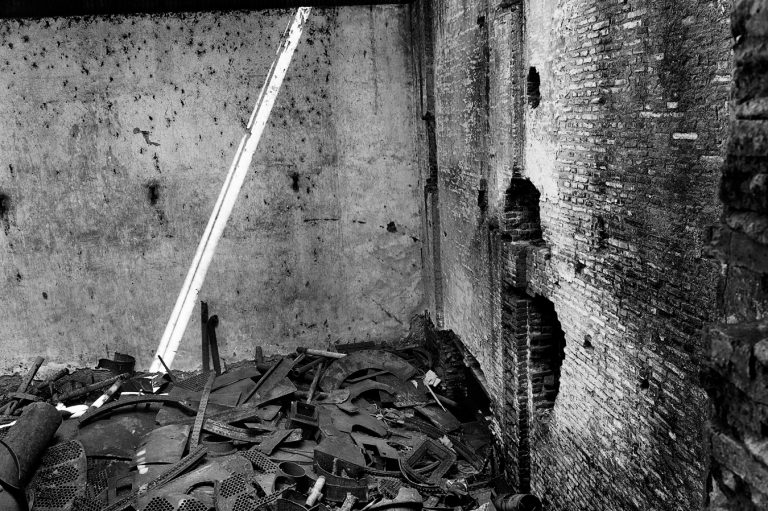
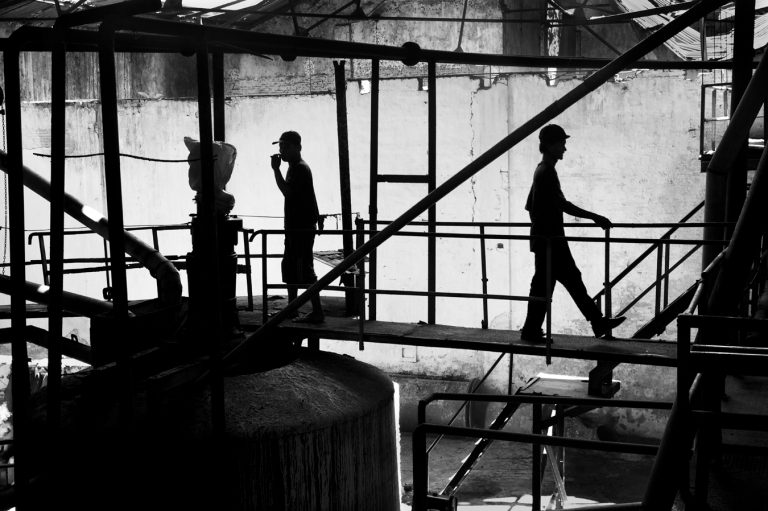
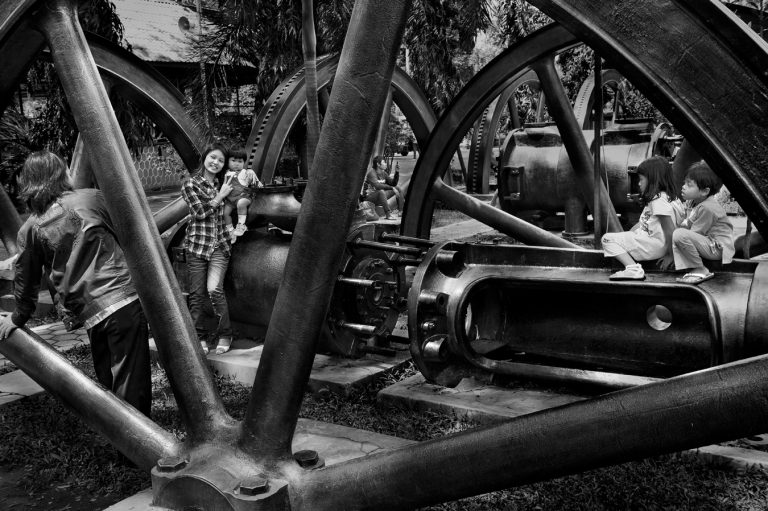
Today, only a few sugar-processing plants remain, out of more than two hundred. All of them still use steam machinery originally installed over a century ago.
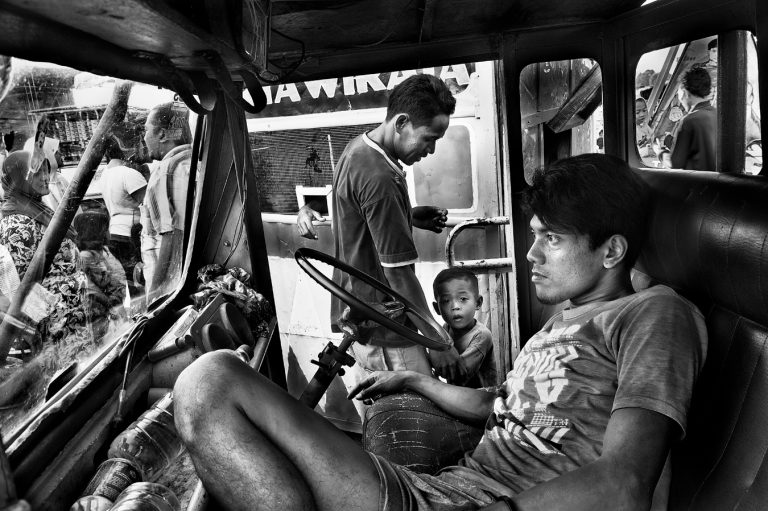
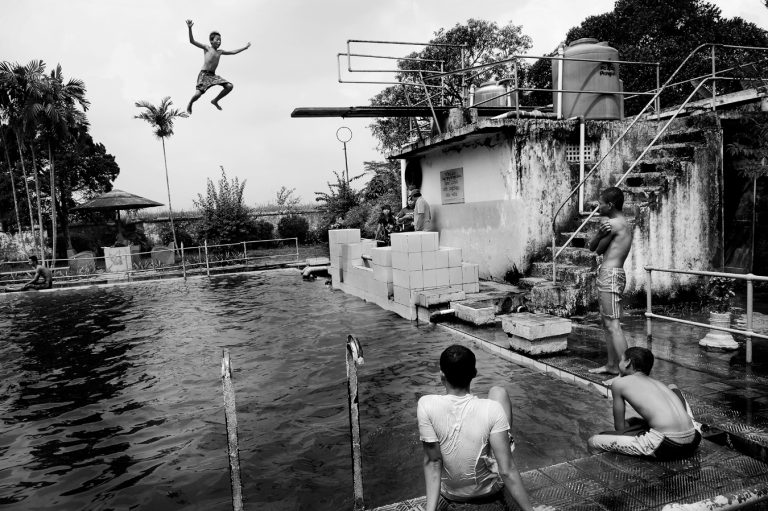
I was entrusted with documenting the sugar factories in Java and the daily life of the sugar towns.
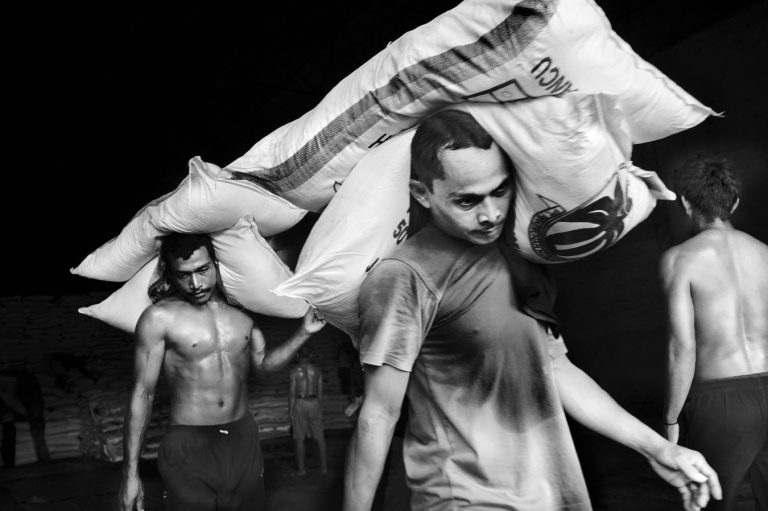
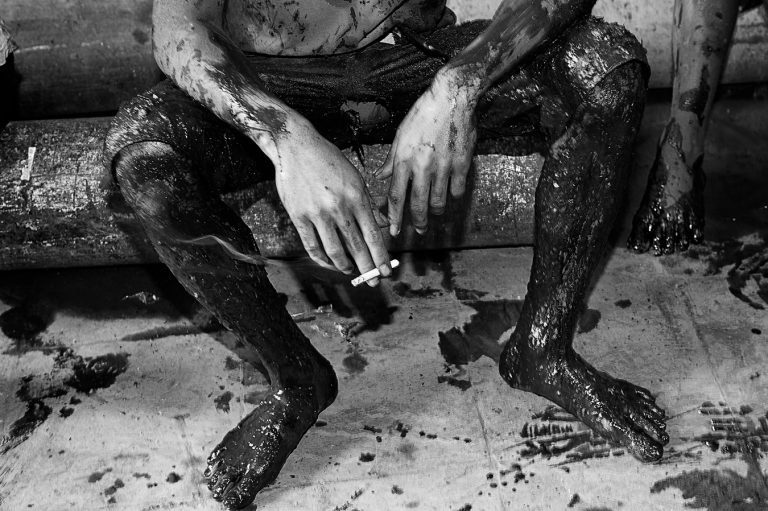
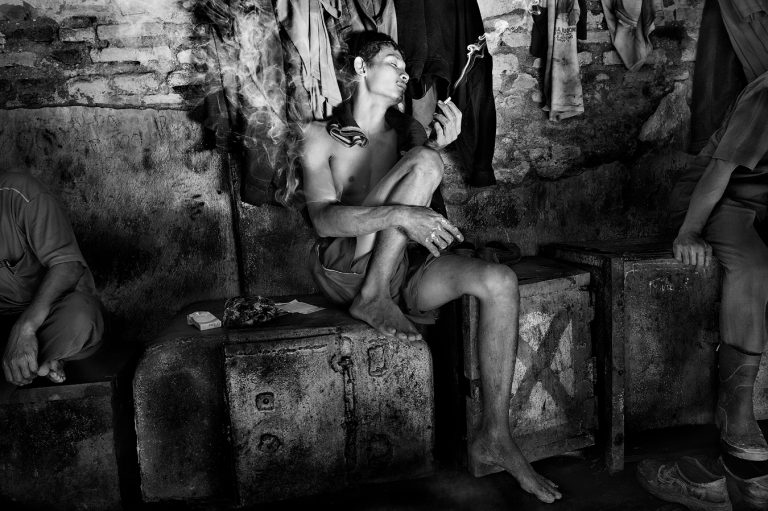
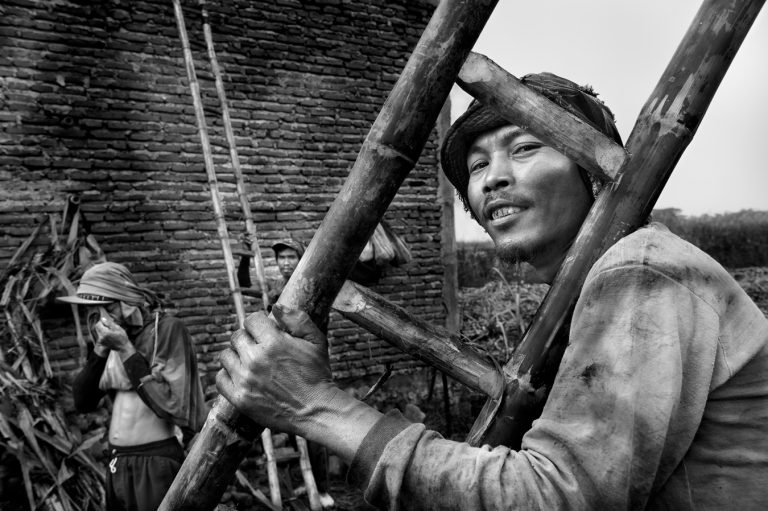
It felt like stepping back in time: century-old machines, barefoot workers inside the factories, and tools from another era. The absence of modern safety measures seemed irrelevant to the workers. They always found a way to bring this world of old and broken objects back to life.
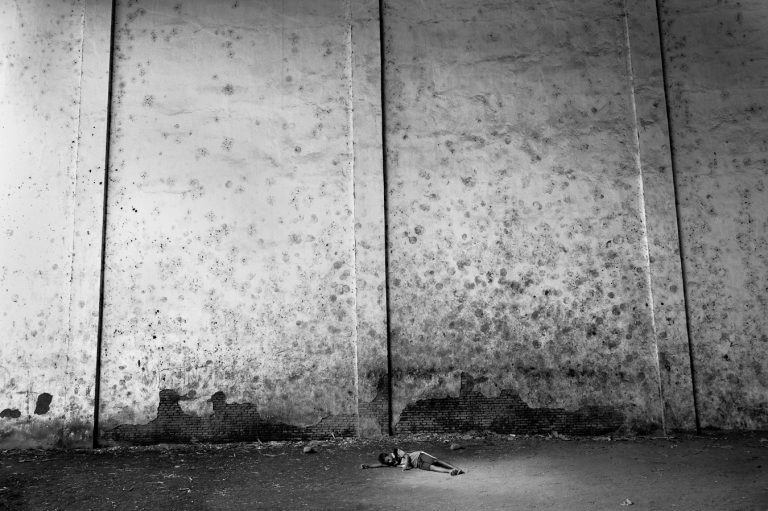
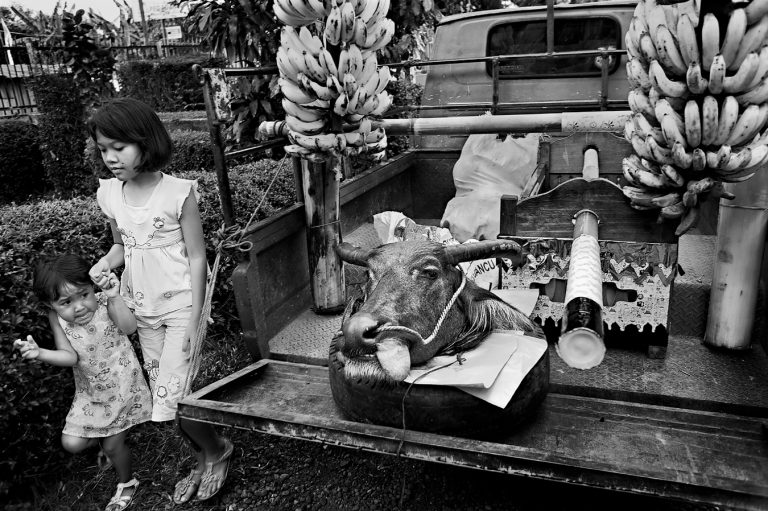
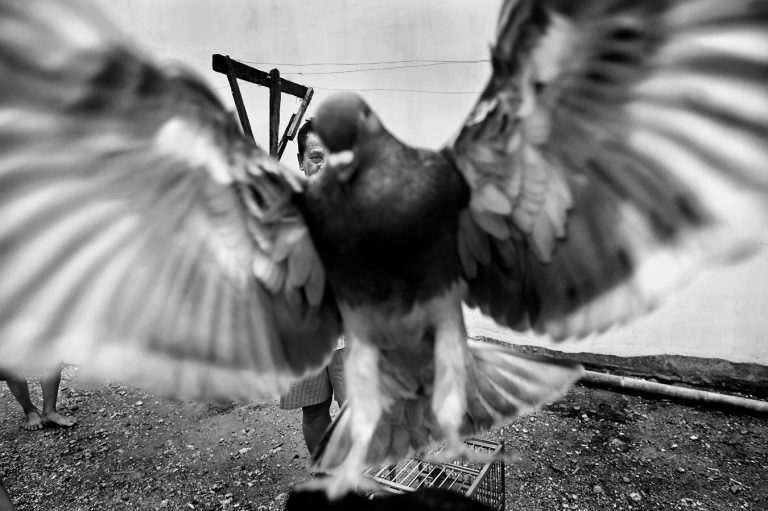
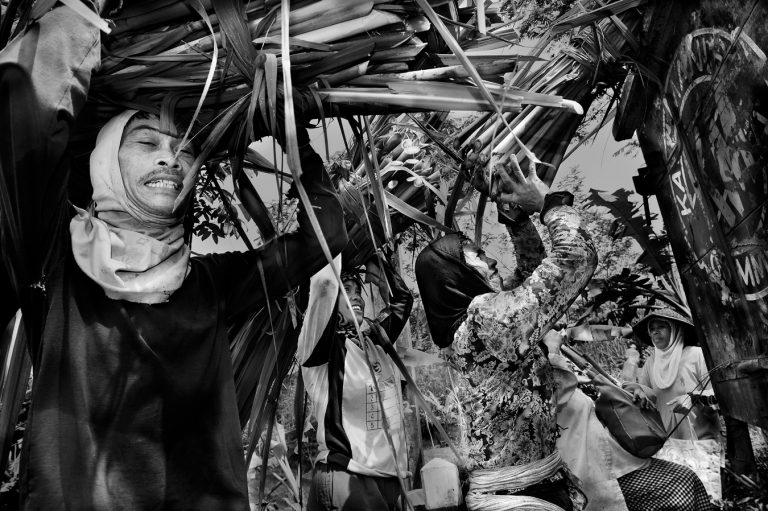
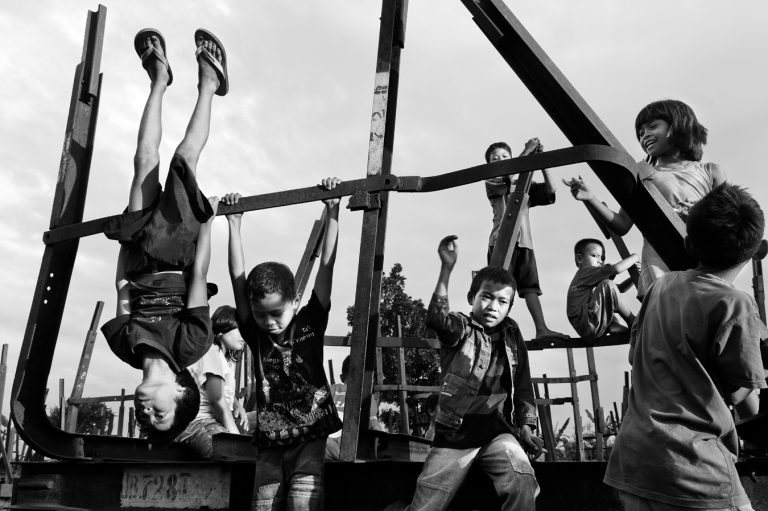
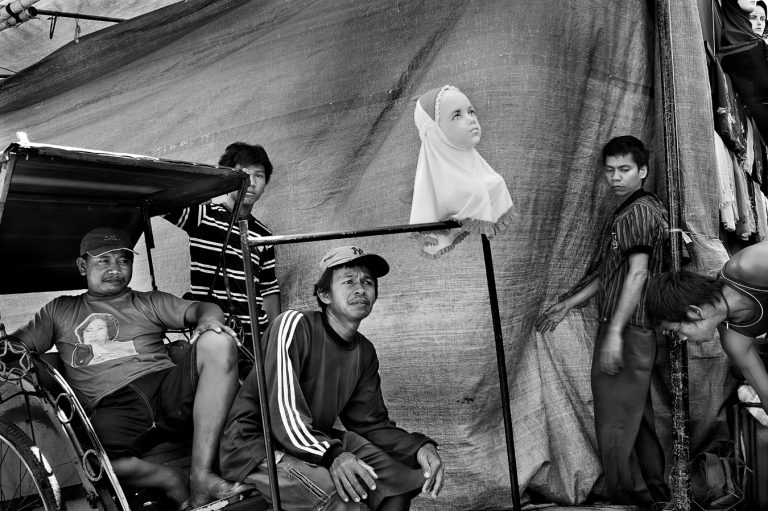
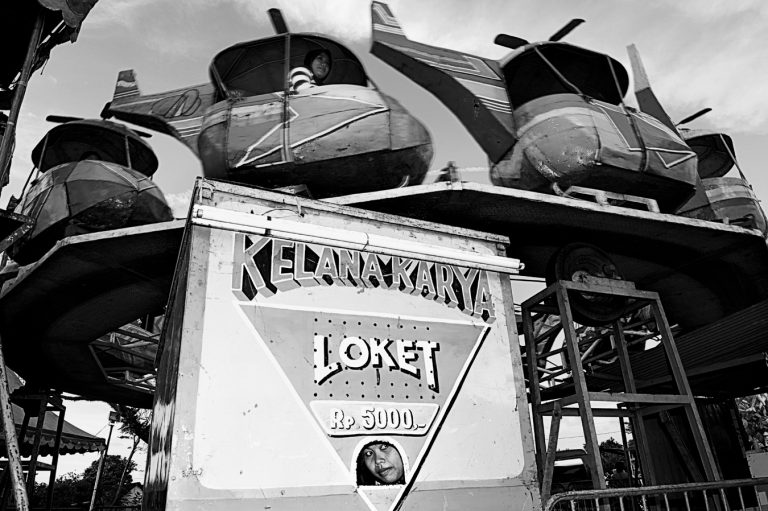
And, at the very end of the day, white sugar emerged from a place that looked like a red-hot inferno. These small, usually sleepy towns built around sugar factories burst into life when the production season begins. Seasonal workers, traders, and traveling amusement parks arrived.
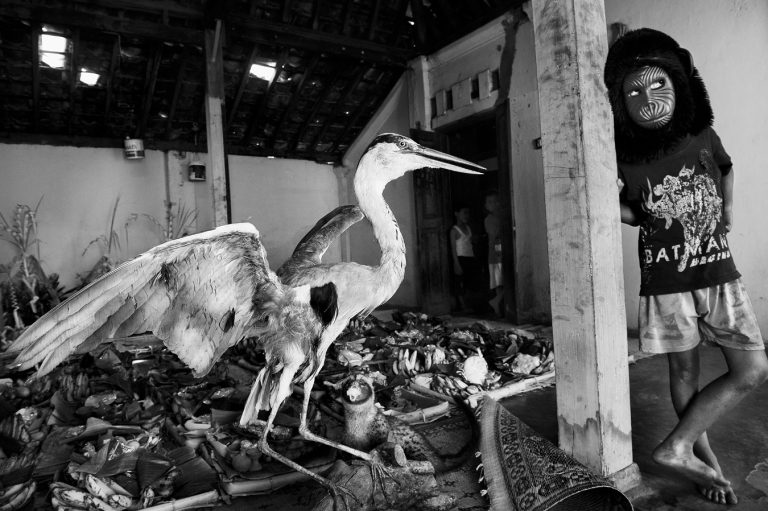
This is the story of that special time in the sugar towns: the preparations for the launch of the factories, and symbolic ritual that accompanies the work— Perayaan Buka Giling, the “sugar festival,” as the locals call it. Its purpose is to bring good luck and influence the size and prosperity of the upcoming harvest and production season.
This photo essay was made possible by the prestigious Dutch Noorderlicht Foundation and was part of the Foundation’s “The Sweet and Sour Story of Sugar” project.
 -POS TT 729 1
 -POS TT 729 2
 -POS TT 729 3
 -POS TT 729 4
 -POS TT 729 5
 -POS TT 729 6
 -POS TT 729 7
 -POS TT 729 8
 -POS TT 729 9
 -POS TT 729 10
 -POS TT 729 11
 -POS TT 729 12
 -POS TT 729 13
 -POS TT 729 14
 -POS TT 729 15
 -POS TT 729 16
 -POS TT 729 17
 -POS TT 729 18
 -POS TT 729 19
 -POS TT 729 20
 -POS TT 729 21
 -POS TT 729 22
 -POS TT 729 23
 -POS TT 729 24
 -POS TT 729 25